Google+

contact us

Use the form on the right to contact us.

Day or Night, we are here to serve you. Leave your plumbing problem to us.


Tinley Park, IL

(708)845-7922

Residential and Commercial plumbers and plumbing contractors available in Orland Park, Tinley Park, Oak Lawn, Palos Heights, Midlothian, Oak Forest, Homer Glen, Mokena, Frankfort, and the surrounding Chicago South Suburbs. Emergency plumbers.

copper water lines.jpg

Kevin Szabo Jr Plumbing Blog

Kevin Szabo Jr Plumbing is Tinley Park, Orland Park, Oak Forest, Midlothian, Orland Hill, Homer Glen, Mokena, Frankfort, Crestwood, Palos Heights, Oak Lawn, local plumber. Read our blog for advice, tips, a good laugh, and basic home improvement.

**We are moving our old blog to our new and improved website. Too see all our posts visit kevinszabojrplumbing.blogspot.com

Filtering by Category: December

7 Exterior Renovations Projects to Complete in the New Year

RH Business Marketing Solutions

The exterior of our properties is all 99% of people will see of them: so it's vital that we put our all into making them stand out. Whether you're a new homeowner or you're eager to dress up an older property, it's important to take your time and create an exterior that will dazzle. 

These are the top renovations anyone should complete on their house before the new year hits.

1. Let Your Siding Give Your Home a New Look
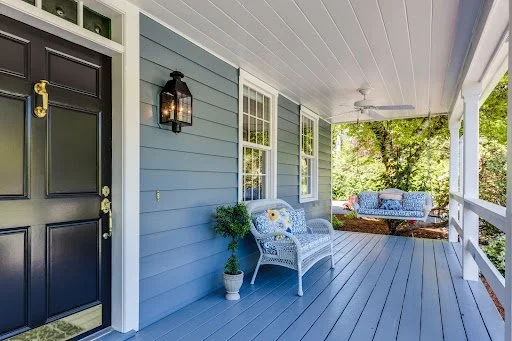
Siding can change everything about a property. Not only the style but the color, material, and installation of it can vary how your property looks and the way people refer to it. 

It's a good idea to go with a trustworthy company that knows the importance of your siding having good insulation and awesome hidden ventilation that will give your property a seamless look. 

Updating your siding before the coldest months of the new year will help keep your heating bills low and will allow your home to stay as comfortable as possible. 

2. Create The Outdoor Kitchen of Your Dreams

Everyone wants to make their lawn feel like an extension of their home, and what better way is there to do that than by adding an outdoor kitchen? To give this space legitimacy, good counters and manufactured stone veneer siding are great ways to make the space feel valuable and impressive. 

Although you won't fully get to use this outdoor kitchen until the late spring to early summer, building it now is cheaper and will ensure you can use it the moment warmer weather settles in. There are also shorter lines for construction in the winter since most people focus their energy on updating these portions of their homes in the warmer months. 

This will let you get the most out of your outdoors when it really matters.

3. Design Incredible Walkways

Walkways are incredibly important in the winter. Although you may think it's just another space you'll have to shovel snow, they're safer and more predictable than just walking on snow-covered grass that can quickly turn to ice. 

Create walking paths that will give you easy access to your driveway, mailbox, garage, and any other part of your property that matters. 

4. Give Your Curb Appeal a Boost

If you're ready to change things up, it's time to update the front of your home! Your porch is one of the first points of contact anyone will have with your property, so it's a good idea to consider the new decor and porch ceiling ideas.

Minor amounts of gardening can be achieved in the winter, like aerating soil, planting bulbs, and pulling any dead trees. Beyond this, consider painting your porch or windows and even pressure washing any brick or stone on the exterior of your home. These small changes will add up in a big way.

5. Update Your Windows and Doors

Windows are a big deal, especially if your heating bill has been out of control. Regardless of what kind of windows your home has, it's a smart idea to do the candle test. Light a candle, carry it from window to door, ensuring they're closed, and watch the flame. If it flickers strongly towards or away from either of these openings, there's an air leak.

6. Add a Deck and Fencing to Boost Comfort

The cream of the crop for updated outdoor spaces is to add a gorgeous deck or fence. When paired with hog wire deck railing, your deck can be the main eye-catcher of your lawn. A well-cared-for and stained fence can do the same job.

The reason these are in the same category is that their care matters above all else, and the natural wood look will be incredibly popular in early 2023. Remember to seal these surfaces well and keep them maintained.

7. Check the Health of Your Roof

How old is your roof? The older it is, the more likely it needs to be replaced or repaired. Repairs can only get you so far, and if you put off a full replacement for too long, you could face major leaks and issues once your home goes through the freeze-and-thaw cycles of winter. 

Updating Your Home is a Winning Plan

Taking the time to renovate your home's exterior boosts its financial value, as well as its perceived importance, and will leave you the envy of the entire street. Take the time to do it right, and make your property stand out.

Consider contacting Kevin Szabo Jr. Plumbing for renovations, and their professionals will walk you through what materials are best for your property. 

Haley Reynolds is a freelance writer that loves sharing her knowledge and expertise on home and commercial remodeling. She lives in her hometown of El Paso, Texas where she enjoys spending time with her husband and crafting with her little girls. Haley’s work as a freelance writer can be found on Building Product Advisor, a new construction industry resource launching in 2023.

5 Water-Saving Tips to Help Reduce Your Water Bills and Conserve This Precious Resource

RH Business Marketing Solutions

If water is available to you around the clock, and you don’t really think about saving it while watering your lawn or having yet another one-man concert in the shower, perhaps it’s time to reconsider how you treat this valuable resource.

The first thing you can do is be more mindful about how you spend water in your household. Developing strategies to prevent wasting water in your home should be your priority. That way, not only will you contribute to preserving the environment, but also lower your water bills in the process.

In case you don’t have any good ideas on how to do this, here are some steps you can take to cut down on water consumption, starting today.

Don’t leave the tap on

This may seem implied and logical, but it still happens that you leave the water running while brushing your teeth, shaving or shampooing your hair. This usually happens because people don’t think that it would make much difference, or because they simply forget to turn the tap off.

Still, don’t forget that you shower, shave and brush your teeth quite often and that the amount of water wasted each time you do accumulates to more than you might want to admit. So, don’t forget to turn off your tap or your shower if you’re not actually using them and, even better, try to control water usage further by using a cup of it to brush your teeth, instead of letting it run for too long.

Load up your washing machine and dishwasher

In order to keep your house in good condition, you may find it acceptable to load your dishwasher halfway and turn it on, just because you want to get it over with the cleaning for the day. Even worse, sometimes you only wash a few pieces of clothes in your washing machine, because you really want to wear those jeans tomorrow.

These are some of the most common mistakes people make, which use up far too much water and raise your bills for inadequate reasons. To prevent this, it’s essential that both your washing machine and your dishwasher are fully loaded when you turn them on, as that way they’ll use the water and the electric power most efficiently.

After all, with the new generation of smart appliances, it takes more water and even electric energy to wash your dishes by hand than it does with a quality dishwasher, so keep that in mind if your budget permits you to invest in new appliances.

Clear your drains

One of the issues that people don’t always solve right away are clogged drains, which can also have a negative impact on water preservation. Namely, when this problem goes unnoticed for a while, the stagnant water in your bathroom or kitchen can cause bacteria growth and water contamination, attracting pests and affecting your health.

Furthermore, it can lead to water contamination. So, if the water drainage is slower than usual, there is mold developing around your drains, or there are unpleasant smells coming from them, perhaps it’s time to take care of your blocked drains before you put your own health, or anybody else’s in danger. Plus, if you don’t resolve this problem in time, it can escalate and cause more damage as the time goes by, which is why it’s wise to hire reliable professional plumbers to help you.

Change your faucets and showerheads

If you still have the regular faucets and showerheads in your household, it’s likely you’re letting too much water go to waste on a daily level, since these enable a higher flow than any of us truly need. In addition, you’re boosting your water bill, which is another downside of the wrong choice of tapware.

Doing something as uncomplicated as replacing your existing fixtures with low-flow ones will decrease your water bill and limit your water usage. It’s important to know that, although these use a smaller amount of water, they won’t take a toll on your comfort, as the water pressure will still be high enough. In fact, you probably won’t even notice the difference until you get your next water bill.

Choose eco-friendly toilets

Flushing the toilet after you’ve used it is something you do automatically, without giving it any additional thought, which could be costing you and the planet a lot. Fortunately, when it comes to toilets, there are some amazing green alternatives to opt for. One phenomenal example are dual-function toilets, which allow you to select if you’ll use more or less water when you flush, which depends on your requirements in any specific situation.

Moreover, you can now find low-flow toilets, which are environmentally friendly, since they need as little as a third of the amount of water you normally use to flush. Last but not least, perhaps you can even invest in a multi-functional toilet, which has tanks that double up as sinks, meaning that the water you use for washing your face or your hands gets reused for flushing.

Wrapping up

Saving water truly isn’t a demanding task, nor will it disturb your day-to-day life in any way. If you’re environmentally conscious and merely make some slight adjustments to your habits, you can do a lot for your budget and the planet at the same time. 


By Mike Johnston

Tips for Someone Looking to Sell Their House Quickly

RH Business Marketing Solutions

Selling a house can be both time-consuming and tedious. It is important to know the best tips and tricks for selling your house quickly so you can get it off your hands as soon as possible. There are several important things that you should consider before putting your house on the market.

1. Hire a Real Estate Agent

Hiring a real estate agent can be one of the best things a seller can do to guarantee their house will sell quickly. This is because agents have a wide range of strategies for getting people through the door quickly and negotiating with buyers so that everyone gets the best deal possible. Not only can they help spread the word through networking and list your house on multiple sales platforms, but they will also help set up showings, answer important questions from potential buyers, and ensure that all paperwork is in order. A professional agent's experience, tools, and know-how are invaluable resources for selling houses quickly.

2. Set a Competitive Price

The price point you set for your house is a key factor in how quickly you can get it off the market. If your price is too high, prospective buyers may be intimidated and stay away, but if it's too low, they may think there must be something wrong with the property. Research prices in your area by looking at recent sales information and seeing what competing properties on the market are asking. This will give you an idea of a realistic and competitive number to attract interested buyers without leaving money on the table.

3. Prepare Your Home for Showings

Taking the time to spruce up your home before showings can make all the difference in how appealing and attractive it looks to potential buyers. Fix whatever you can yourself, and consider hiring professionals for anything that needs more serious attention. Ensure all dusting and vacuuming have been done, shovel and outdoor salt walkways when necessary, and any unpleasant odors are addressed. Thoroughly staged homes stand out from the competition and can help you maximize value and attract a potential house buyer in San Antonio. For best results, try to leave the staging to a professional who knows exactly how crucial the presentation can be for prospective buyers.

4. Promote Your Listing Online

Once you have great photos of your home, it is important to promote your listing online. Advertising on websites, such as real estate and classifieds sites, provides potential buyers with a more convenient way of accessing your property description instantly. Utilizing social media by sharing your listing on platforms can also build interest in a short amount of time. Additionally, promoting online helps you reach a larger pool of buyers who may have yet to see your listing.

5. Use Professional Photography

Potential buyers will search for a new home online in today's digital world. Potential buyers are more likely to express interest and schedule viewings by having high-quality images of your property. Professional photographs will give buyers a full sense of what your house offers by highlighting its best features. Additionally, professional photography portrays an overall level of care that buyers appreciate and can make all the difference when trying to get their attention. Professional photography helps create interactive visuals and gives prospective buyers a better understanding of what they are purchasing regardless of the condition, size, or other factors associated with your home.

6. Be Prepared To Negotiate

Selling a house can be tricky, so if you are looking to move on quickly, it is important to be prepared for the negotiation process. You should research the market in your area ahead of time so that you know what comparable houses have sold recently. Preparing a list of desirable selling points before putting your house up for sale can help you discuss prices with potential buyers. Being honest and realistic regarding how much money you are asking for is also essential – transparency and knowledge of the market will help make the negotiation process smoother. Ultimately, being flexible and open to differing opinions is key to helping you find a buyer and close the deal swiftly.

Conclusion

Selling a house is a challenging process and can be very overwhelming. A clear plan will help ensure you get the best price in the timeline you want. Embrace technology and use it to market and show your home, research neighborhood trends and changes and be willing to negotiate to secure an offer. All these steps should give any individual looking to sell their house quickly the edge they need in the competitive market.

Guest Contributor: Hannah Boothe

Power Shower vs Electric Shower

RH Business Marketing Solutions

Everything You Need to Know Before Deciding Which is Best for Your Home

Power Shower versus Electric Shower – Which is Better?

For many households, it is essential to make the right decision in what kind of shower to buy. A power shower or an electric shower offers two great options when it comes to getting a shower head that provides valuable hot water, great temperature control, and a considerable amount of pressure. While both showers offer benefits and features, determining which one is best can be difficult. In this article, we will explore the differences between a power shower and an electric shower, and answer the question of which one is better.

 What is a Power Shower?

A power shower is a type of powerful shower head connected to large, pressurized hot and cold-water systems. It uses a built-in pump that sends splashes of hot and cold water to the shower head, resulting in a much more powerful shower than that of a standard shower head. Power showers are ideally suited for multi-story dwellings with low pressure, as they can guarantee continuous water output at a consistent level of water pressure.

A power shower is an affordable and efficient shower system that uses a combination of electricity, water pressure, and air to deliver a superior and invigorating showering experience compared to traditional showers. In today's world, a power shower is an energy-saving option that is quickly becoming the standard for bathing.

How Does a Power Shower Work?

On the face of it, a power shower looks very much like a regular shower. However, there are many features that make it stand out from the mundane everyday shower. A power shower uses a pump located in the shower head, working with the cold and hot water supplies. It pumps the water around a store of heated coils, then the mixture of air and the water is forced through multiple arms, creating a pulsating and massage-like effect. The combination of air and the heated water gives an extra boost of power to the flow, thus the terms 'power' or 'turbo' shower.

The Benefits of a Power Shower

The main benefit to a power shower is that it gives an invigorating cleansing experience unlike any other. The massaging pulsations created by the powerful mix of air and water are quite a delight. They give a pleasant, stimulating sensation that would be difficult to achieve with any other form of shower. Power showers are also big on energy efficiency; they consume much less water than traditional showers and therefore use less energy overall.

Another unusual feature of power showers is that some come with supplementary features. Certain models may have adjustable temperature controls, as well as additional features that allow for added customization of the shower experience. This includes massage jets, filtering systems, and aromatherapy settings. These extra features may come at an additional cost, but such technology allows for a totally unique showering experience.

What is an Electric Shower?

Electric showers are becoming more popular as an alternative to traditional bathroom fixtures. They offer a convenient way to heat and control the water temperature, while also reducing your energy consumption and costs. But what exactly is an electric shower and how do they work?

An electric shower is a self-contained, wall-mounted bathroom fixture that provides a constant source of hot water. It runs independently from a traditional hot water boiler, meaning that you don’t need to wait for hot water to flow through your pipes in order to shower. Instead, electric showers heat cold water directly – typically within 10 to 20 seconds.

How Does an Electric Shower Work?

Electric showers are also relatively easy to install and maintain. A typical setup requires just one electric cable and a few small holes, making them an ideal choice for anyone who needs to install a shower quickly and easily. Furthermore, electric showers require minimal maintenance, as they do not accumulate as much limescale and dirt as traditional boilers and pipes.

At the heart of an electric shower is its powerful heating element, which is connected to a digital timer and temperature control. The element heats cold water that is then accessed and mixed through the digital control, allowing you to set your desired water temperature. This temperature is then filtered through a flow restrictor, ensuring that it remains consistent.

The Benefits of an Electric Shower

The great thing about electric showers is that they are incredibly efficient. A traditional boiler loses much of the energy it needs to generate hot water from the home, so it's not always the most cost-efficient way of heating water. On the other hand, electric showers require no such inefficiencies and, as long as you set your water temperature to the correct level, you can expect to use a great deal less energy. 

Overall, an electric shower is a great way to heat and control the temperature of your shower water. It is efficient, easy to use, and requires minimal installation. As electric showers become increasingly popular, you can be sure that they will continue to offer a convenient and economical way of showering.

Can You Use a Power Shower With a Combi Boiler?

Generally speaking, no. At least not without some serious modifications. Since a combi boiler does not have a cylinder installed, the shower will operate under main pressure using the internal pump of the boiler, heating the water as needed.

Can You Use an Electric Shower With a Combi Boiler?

One of the most common types of boiler used in the UK is the Combi boiler. This type of boiler heats water directly from the mains and delivers hot water on demand. This removes the need for separate tanks or cylinders, making them extremely efficient. But can an electric shower be used with a combi boiler?

The answer is yes. An electric shower can be installed alongside a combi boiler. In fact, many electric shower manufacturers recommend that their units are installed alongside combi boilers as it maintains a more efficient water pressure than can be found in traditional water systems.

Some plumbing specialists do however stress the importance of ensuring that the electric shower you are using is compatible with the type of boiler you have. For example, if you are using a gravity-fed system then an electric shower with a high flow rate might not be suitable as it could lead to an imbalance in the internal water pressure

Should I Get an Electric Or A Power Shower? 

The big deciding factor when comparing a power shower vs an electric shower is the water pressure. A power shower is able to provide continuous and powerful hot water due to its pressurized system and the pump that provides extra power. On the other hand, electric showers will provide you with hot water, but not with the same kind of water pressure that a power shower can.

Apart from water pressure, both showers offer many features and advantages. A power shower is designed to use as little energy as possible, resulting in lower energy bills. Electric showers, while they do require more energy and therefore more money, are usually a lot cheaper to buy and are easy to install.

In terms of cost, a power shower typically costs around £200 to £300. An electric shower, however, is much more affordable and can be found for as little as £50.

Additionally, both showers use different technologies to regulate the temperature. A power shower usually uses a thermostatic valve to regulate the temperature, while an electric shower has an up/down-regulated thermostat that allows you to choose the exact hot and cold levels that you need.

So, what is the verdict? Which is better – a power shower or an electric shower?

The answer is subjective and depends on your needs. Both are great options for showers, offering different levels of pressure and temperature, as well as pricing. If you have a large family or need a powerful shower in a multi-story house, then a power shower is probably the best option. Plus, you can choose between a selection of models which come with extra features, designed to make the experience even better. If you're serious about achieving a luxurious and highly-customizable shower, then a power shower could be right for you.

If you are looking for an affordable and compact option, then an electric shower may be the way to go. Ultimately, both showers offer great value and a variety of features, so take the time to consider both before making your choice.

Signs That You Have Sewer Line Problems

RH Business Marketing Solutions

Sewer line problems can be a major headache for homeowners everywhere. Knowing the signs of a sewer line issue is important to take action quickly and minimize damage. Sewer lines are the buried pipes that carry wastewater from your home to the municipal sewage system or septic tank. Unfortunately, these underground pipes can be vulnerable to all kinds of issues that disrupt their normal functioning. From clogs to corrosion and tree roots, there are many potential sources of sewer line issues. In this article, we’ll cover some common signs that you may have a problem with your sewer lines so you can take steps toward fixing it as quickly as possible.

Slow-Draining Sinks and Toilets

If your sink or toilet is draining slowly, it may indicate that you have sewer line problems. While this type of issue is not immediately visible and can sometimes be difficult to diagnose, the underlying causes are often related to sewer line issues. For instance, tree roots can grow into sewer lines which block water flow, leading to clogs and slow-draining sinks and toilets. Over time, sewer lines can also become corroded, cracked, or broken due to age or ground shifts which can cause slow drainage. 

No matter the underlying cause of your sewer line problem, it's important to address them before they worsen and become more expensive repairs in the future. If you suspect you might have sewer line issues, it's important to call a professional plumber with experience in sewer line repair and maintenance. They can assess the problem and recommend the best course of action for your particular situation.  With proper sewer line maintenance and timely repairs, you can help ensure that your sewer lines remain in good working order for years to come.  In addition to sewer line repair, they can also recommend preventative measures that help avoid problems down the road.

Gurgling Sounds

Another telltale sign of a sewer line issue is gurgling noises from drains inside your home. These sounds usually happen after flushing a toilet or running water down the drain in your kitchen or bathroom. This happens because air trapped in the pipes escapes in the form of a gurgling sound and indicates that there’s an obstruction in the line.

Pooling Water Around Drains

If you notice pooling water around any of your drains, it’s likely a sign of a sewer line problem. A clog or corrosion could cause this in one of the pipes, preventing wastewater from flowing freely out of your home and into the municipal sewage system. This issue can lead to standing water on your property and even sewage backups inside your home if left unchecked.

Unpleasant Odors

Unpleasant odors from your drains may also indicate a sewer line issue. These smells are usually caused by the buildup of wastewater, grease, and food in the pipes. If you notice a sewage-like smell coming from your drains or in your yard, it’s likely due to a clog or blockage in one of the pipes.

If you’re experiencing any of these sewer line issues, it’s important to take action immediately. Contacting a professional plumbing service can help diagnose the problem and determine the best course of action for your specific situation. They will be able to provide you with an accurate assessment of the issue and recommend any necessary repairs or replacements for your sewer lines.  Taking care of a sewer line issue quickly is essential to prevent further damage and keep your home functioning properly.

Main Benefits of Using a Charcoal Water Filter in Your Home

RH Business Marketing Solutions

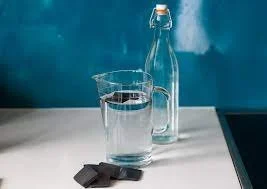
Does your water taste metallic or smell funny? Access to 100% clean and safe water remains a challenge for thousands of Americans to date. Thankfully, charcoal water filters (also known as activated charcoal filters) are cost-effective water treatment solutions that can help ensure that your family gets a supply of clean water. 

A recent experiment also found that water filtration systems that used carbon eliminated almost 100% of the fluoride in water. A FilterWay charcoal water filter cartridge contains tiny carbon fragments that adsorb out toxins while allowing water to pass through.

Activated charcoal is widely used in the purification of drinking water and sugar. In this article, we’ll go over the benefits of charcoal water filters.

How Do Charcoal Filters Work?

Activated charcoal is slightly different from ordinary charcoal bricks. Activated charcoal is made by heating charcoal or other carbon-rich materials at extremely high temperatures in the presence of a gas. The heating process also referred to as the activation process, opens up millions of tiny pores within the carbon structure, resulting in an increased surface area for adsorption.

Charcoal filters work by adsorption, a process by which impurities are removed from fluids and gases.

So, how does charcoal clean water? Well, during filtration, as water passes through the activated charcoal in the water filter, the substances in the water are trapped by the carbon surface.

Some of the contaminants and chemicals that charcoal filters remove include; pesticides, PFOS, microplastics, nitrates, and chlorine, among others.

Benefits of Using a Charcoal Water Filter

The role of activated charcoal in water purification is to remove contaminants. Charcoal is recognized as one of the best water treatments due to its high adsorbing capacity.

Here are some benefits of charcoal water filters:

1. Improves Quality of Water

A charcoal water filter improves the quality of your drinking water by removing harmful chemicals and other contaminants from the water. What’s more, charcoal filters add essential minerals such as calcium, iron, and magnesium to your drinking water.

2. Better Tasting Water

Impurities such as hydrogen sulfide make water smell and taste bad. By eliminating these impurities, activated charcoal filters can significantly improve the taste and smell of your water.

3. Charcoal is Safe

Are charcoal water filters safe? As long as the filter is changed regularly, they should be safe for the next 18-24 months. 

It is, however, important to note that filtering water with charcoal doesn't eliminate viruses or bacteria. Therefore, consider incorporating additional purification methods if you want to eliminate microorganisms.

4. Retains Nutrients 

Another key benefit of a charcoal water filter is it retains the nutrients and mineral salts present in your water. As you already know, water contains nutrients that are important to human health.

Unlike other purification methods, such as distillation, which is likely to remove all the nutrients in the water, charcoal filters preserve the important nutrients.

5. Easy to Maintain

In addition to being inexpensive, charcoal water filters are easy to maintain. They do not require repairs and can last for up to six months, depending on their usage.

Finally, charcoal filters can also help to improve the appearance of water by removing sediment and other tiny colored impurities.

Positive Effects of Using a Charcoal Filter

Ideally, using charcoal filters significantly helps you save money. This is because they do not require connections to an external power source. This helps you save money that could otherwise be spent on utility bills.

On top of that, chemicals like fluorine that are sometimes present in water can be harmful to your teeth and can result in discolorization over time. Charcoal filters trap these substances.

Final Thoughts

Removing contaminants from water is ideal to ensure it’s safe for consumption. Now that you know the benefits of having a charcoal water filter in your home, consider buying one from our collection and enjoy safer, cleaner water!

4 Tips For A Quality Bathroom Remodel

RH Business Marketing Solutions

Do you want a new bathroom? Whether you're looking to update an old bathroom or are starting from scratch, there are some things to consider to ensure that your remodel is quality. This blog post discusses four tips for a quality bathroom remodel. Keep reading for more information.

Get the help of the right experts

A quality bathroom remodel requires the input and collaboration of various professionals, such as contractors, electricians, and plumbers. A seasoned plumber in Tyler, TX recommends that homeowners use the services of a licensed professional throughout each stage of the remodeling process. With their expertise, you can rest assured that all electrical and plumbing work is up to code and in compliance with local regulations. Get help from experts who have experience specific to your bathroom's design needs to ensure that the job is done right.

Set realistic expectations

When it comes to bathroom remodels, setting realistic expectations for your project is essential. This means planning the timeline and budget to ensure your remodel goes smoothly. For instance, the timeline should factor in the period required for materials to arrive, workers completing tasks, and scheduling considerations. It's also important to understand that unexpected issues can arise during a remodel, affecting both the completion date and the project cost. Hiring experienced professionals and setting realistic expectations ahead of time will help you avoid potential problems down the line.

Have a comfortable budget

The amount of money you are willing to spend on your bathroom remodel will depend on the size and scope of your project. The bigger the project, the more money you are likely to need. Consider factors such as fixtures and materials and any unexpected costs. It's essential to create a budget that allows for some wiggle room so that if any additional expenses arise during your remodel, you won't be stuck paying for them out of pocket. Once you've set your budget, it's essential to stick to it as much as possible. If you are over budget, consider reducing costs while achieving a high-quality result. For instance, you can choose more affordable materials without compromising on aesthetics. It's also possible to save money by doing some work yourself.

Create a timeless design

Ultimately, your goal is to create a bathroom you are happy with for years to come. Choose timeless materials and styles that will hold up over time and won't go out of fashion. A timeless design will ensure that your bathroom looks great for many years. For example, as are neutral color palettes, classic tiles and fixtures are usually a safe bet. If you'd like to incorporate trends, opt for accent pieces that can be easily swapped out in the future. Also, consider the various elements in your bathroom, such as flooring, countertops, and fixtures. The flooring, countertops, and fixtures should all complement each other rather than compete for attention.

Follow these four tips for a quality bathroom remodel. With careful planning and the help of professionals, you can create a bathroom that looks great and will stand the test of time. So, have fun with your remodel and enjoy the process. Good luck!

How to Fix a Toilet That Won't Flush

RH Business Marketing Solutions

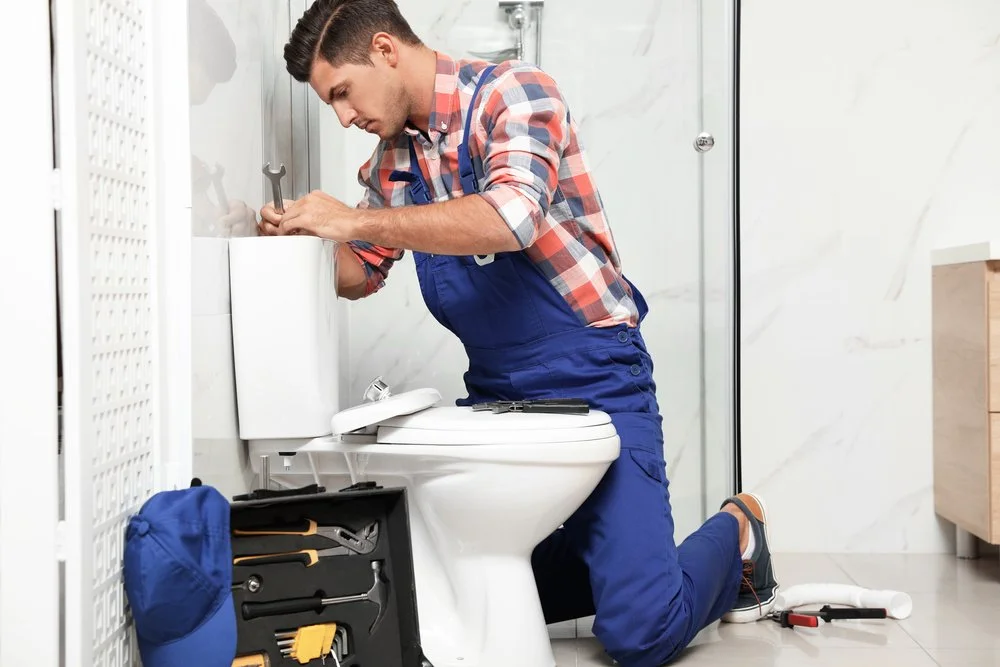
The chances of clogging or any other mechanical issue in the toilet flush are high due to high usage. Once you figure out the problem, you do not need to call a plumber for fixing a toilet that won’t flush. Instead, you might be able to do it yourself.

In this guide, we will help you find the issue and give you helpful advice that you need to follow to fix a toilet that won’t flush. 

Reasons and solutions for fixing a toilet that won’t flush

There might be several reasons your toilet is not flushing and also different toilet plumbing repairs needed. First, sort the problem, then follow the steps to fix it.

Check the water level of a tank

Problem

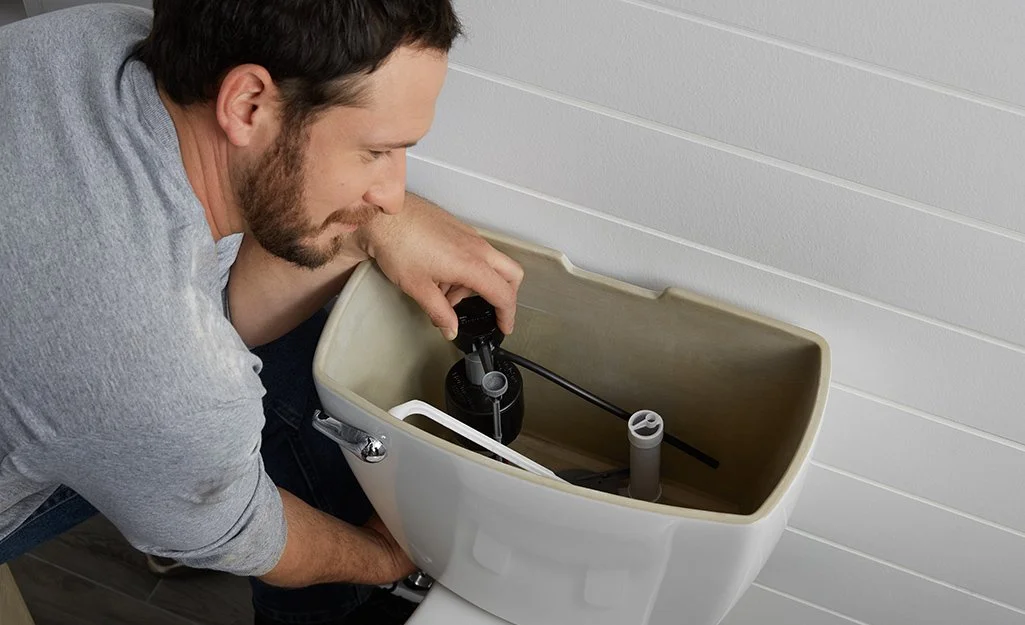
The water level in the cistern (flush tank) is an obvious thing you should check. Your tank should be 80% filled, or water should be one inch down from the overflow tube for a successful flush. 

Solution

Remove the lid to check the water level. If the water level is low, the reason could be the water valve. The water valve behind the toilet could be off accidentally during cleaning. If the tank is still not flushing, check the valve first. This means the water level of a tank is not reaching the appropriate level. The reason could be the cracks in the overflow tube. If this is the case, you need to replace the overflow tube. 

If there is no issue with the overflow tube, you should adjust the inlet valve. Unscrewing the inlet may sometimes solve this issue. But beware, excessive inlet unscrewing may cause overflow.  

If your toilet is clogged

Problem

When you push the flush button, the toilet won’t flush properly. Instead, the water inside the bowl fills or starts overflowing; this is a sign of clogging. Your water closet may be clogged due to the disposal of too much toilet paper, toilet towels, and diapers.

Solution

If you are facing an issue and water is building up in the bowl, then wait for a few minutes to check if the clogging is partial or complete. If the water level is slowly moving down, this shows the toilet is partially clogged, and you do not need to bucket out some water. 

Use a rubber, bell-shaped plunger and plunge into the toilet. Push the plunge in a way that the air does not enter while plunging.

If you are not satisfied with the first solution, take a gallon of warm water, add some liquid detergent and pour the water into the toilet abruptly. The warm water and detergent provide enough lubrication to pass the clog from the pipe. 

The issue with the flush flapper

Problem 

You need to check the flapper inside the tank if the above two issues are not there. When you remove the cistern lid, you will find a red or black color inflated balloon-shaped rubber flapper. When you flush the toilet, the flapper allows the water to release from the tank and closes afterward. 

This flapper may be wrapped, broken, or deteriorated over time.

Solution

If you find that the flapper has broken, you need to replace it with a new one. The flapper is a cheap part you can buy from any hardware shop.

Check the lift chain of the water tank

Problem

Once you open the lid of the tank, you will see the chain lift hooked with the flapper. When you flush the tank, the chain lifts the flapper upward, so the water rushes out, enters the bowl, and flushes the toilet.

If the flapper is intact and there is no issue with the flapper, then check the chain lift. If it is hooked with the flapper or not. 

Another thing to check in the chain lift is the chain slack. The chain should have half an inch of slack. If the chain has too much slack, it will quickly close the flapper, and enough water will not flush out.

Solution

In case of an unhooked flapper, hook the chain back with the flapper using the screwdriver. If there is too much slack in the chain, you can reduce the chain length by hooking it with the nearer link. Keep in mind there should be no extra chain otherwise, the flapper will not work properly. 

Blocked toilet inlet holes

Problem 

Toilet inlet holes may clog due to mineral deposition. For instance, calcium and lime deposits restrict the flow of water. Sometimes microbial growth may also cause blockage. Don’t need to worry about the inspection of the blocked rims. Take a wire and insert it into the hole. Take out the wire and check if there is any mineral or microbial buildup.

Solution

To clear this blockage, you can use vinegar, bleach, or a toilet cleanser, specifically designed for this purpose. 

Call the professionals

If you are unable to understand what the issue is. Or if you are totally unaware of the tank parts or don’t know how to operate the basic tools, then don’t try to disturb the mechanism. Call a professional to inspect the issue and resolve it.


The Most Common Causes Of A Leaky Toilet

RH Business Marketing Solutions

Proper maintenance of all parts of your house is essential for you as a homeowner. This way, your property is more comfortable for you and your loved ones to live in. As you take care of your home, you may notice issues with your plumbing and other systems. It’s best to ensure prompt repairs once you identify any problems. This prevents issues from worsening, helping you maintain a livable home. 

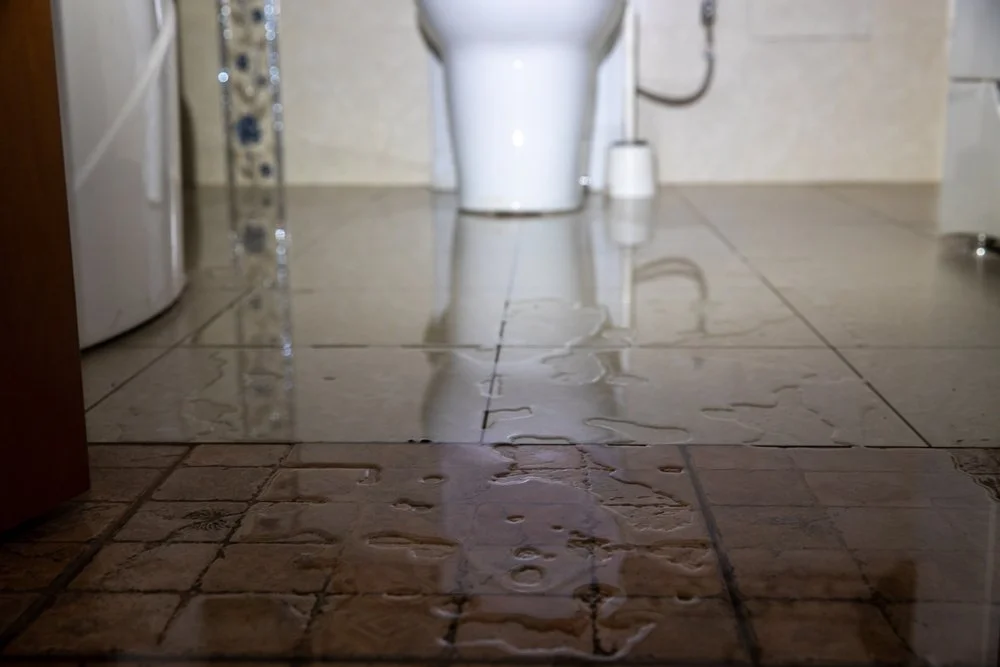
A leaky toilet is one of the concerns most homeowners encounter. This may be an external or internal issue. Water dripping on the outer parts of your toilet can cause flooding in your bathroom, leading to water damage. On the other hand, an internal leak can result in significant water waste and an expensive water bill. 

Therefore, fixing a leaky toilet immediately is essential. Some plumbing issues may be easy for a homeowner to handle. However, some aren’t and may require a professional. If you need an expert to fix your toilet, contact reliable plumbers like Water Workx. You can also find professional plumbers by researching online or asking for recommendations from trusted friends. 

Understanding the common causes of toilet leaks is important as it helps you prevent extensive damage. Below are some reasons you may encounter external or internal toilet leaks: 

1. A Damaged Tank

Toilet tanks hold water used to flush. In most cases, this part is made of strong materials like porcelain, making it robust and durable. However, tanks sometimes break or crack due to prolonged stress, causing water leakage. Water may also drip from this component if the rubber gasket underneath is worn out.

If you notice toilet tank damage, repair it as soon as possible, so the issue doesn’t worsen. Prompt restorations will also prevent mold growth that may cause allergic symptoms like sneezing, coughing, watery eyes, and headaches. 

You can use a sealant to fix a damaged toilet tank. However, this is a temporary solution to prevent significant water waste. Call a plumber afterward. They know the best ways to repair this plumbing component. If the water tank is too old or the damage is severe, they may advise and help you to replace it.  

2. A Cracked Bowl

Like toilet tanks, most bowls are made of robust materials like ceramic ware or porcelain, but they can still crack. If this happens, clean or waste water will leak onto the floor. If not corrected, this issue can cause significant damage, requiring you to undertake a complete floor replacement or other expensive repairs.

In case of a hairline crack on your toilet bowl, applying a sealant may help prevent the damage from becoming severe. This may only temporarily solve the issue, so you need a plumber to ensure proper repairs. However, replacing the bowl may be the best solution if it has extensive damage. 

3. Corroded Pipes

The pipes supplying water to your toilet bowl can rust over time. This will cause water to drip or flood around the toilet. 

You may experience this issue if your plumbing system is too old. In this case, the remedy is to replace the corroded pipes immediately. Hire an emergency plumber to perform this task. 

Since they’re well-trained and have possibly installed new water lines many times, they’ll do a quick and more efficient job. Besides, they know the best types of pipes and where to buy them. So, they can get you high-quality products that last longer.  

4. Faulty Connections

A toilet has various connections that enable it to function properly. These links can disconnect, causing leaks. Faulty toilet connections can result from gaskets, bolts, and nuts loosening or wearing out. 

If you suspect that bowl-to-tank or other links are faulty, establish if the securing elements are loose. If this is the case, fastening is an easy remedy to consider. However, if the connectors are worn out, call an expert to replace them.  

5. Condensation

If none of the above issues are causing your toilet leak, the problem may be condensation. Bathrooms become humid and wet during and after taking a hot shower. When the humid and warm air comes into contact with the cool bowl or tank, it will cause small water droplets to form on these surfaces. 

Condensation shouldn’t worry you as it only causes small water drips that look like leaks. If it’s a concern, a plumber can fix this issue by insulating your toilet. 

Final Thoughts

Toilet leaks can lead to significant water waste or ruin your bathroom flooring. Therefore, it’s best to resolve them immediately. It’s also helpful to understand the common causes of leaky toilets, such as a damaged tank, a cracked bowl, corroded pipes, faulty connections, and condensation, along with the corresponding solutions. 

Some issues may be easy to fix, while others are more complicated and best left to the professionals. 

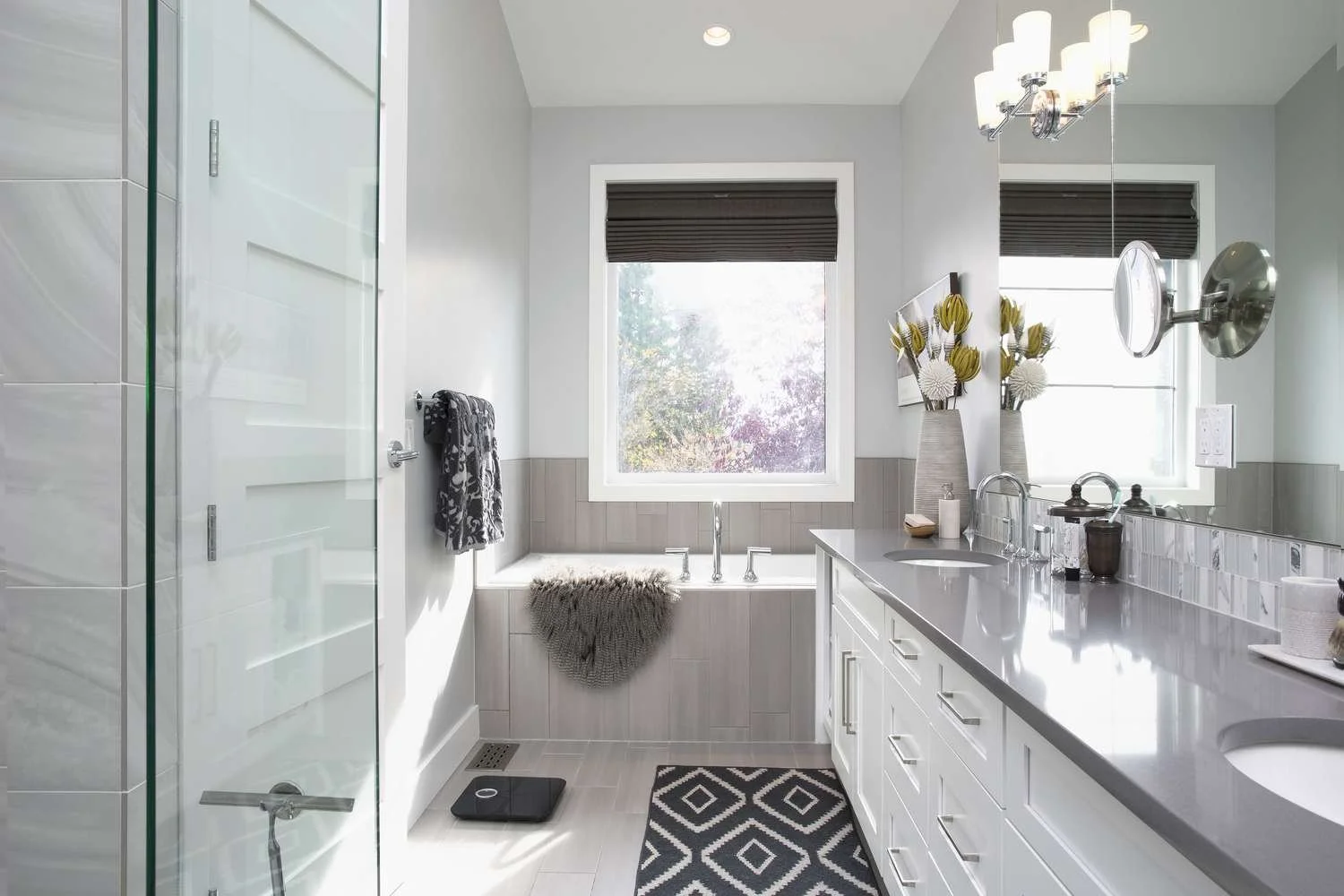
10 Tips for Designing a Modern Bathroom

RH Business Marketing Solutions

Did you know? The average person spends around a year and a half of their life in the bathroom.

Indeed for most Australians, the bathroom is the first and last place they visit every day. A place where they shower, brush their teeth, shave and remove makeup. Not to mention wash their face or put on their moisturiser.

It follows then that a bathroom should be an inviting and comfortable space that allows you to do all of these things without being inconvenienced.

However, for those in older homes, their outdated layout often isn’t conducive for them to do so. Which is why many people choose to renovate them.

Refurbishing a bathroom is not a project to take lightly. It includes everything from layout, plumbing and electrical work to choosing surface materials, cabinetry and fixtures and fittings. All of which require careful planning and consideration.

With so many variables, it can seem like a daunting proposition. So here are 10 tips for designing a modern bathroom you may find useful.


1. Decide on a suitable layout design

The first thing you need to do is decide on the most suitable bathroom layout design for your needs.

This is important because even the most palatial of bathrooms has configured water lines, vent stacks and plumbing drains.

Typically, bathroom plans are either one, two or three wet-wall layouts. So which one you choose will have a bearing on how your design will be.

As a rule, a one-wall layout sees the toilet, sink and shower feature along the same wall. It is the most cost-efficient of all types of bathroom design, although it is also quite limiting in terms of what you can do.

By contrast, a two-walled bathroom provides you with more flexibility as the toilet and sink can be plumbed to one wall while the shower and tub could be on another.

With the three-walled bathroom, you have even more options. Although it is the most expensive layout to set up and potentially a more complicated one too.

Whatever you choose, it is worth collaborating with an architect or certified and professional bathroom designer. Not only can they advise you on the best design for your space, but they will also help to avoid mistakes that might be costly.


 2. Consider the lighting

For any bathroom, lighting is very important. This includes natural lighting as well as artificial.

When designing your bathroom, try and incorporate at least one window or skylight.

It is also a good idea to have a large mirror with wall-mounted lights on either side of it around eye level. At least one of these lights should reside directly above it too. Doing this will illuminate your face completely and therefore get rid of any shadows in the room.

When it comes to choosing the general lighting for your bathroom, a great way to go is with fixtures that are ceiling-mounted.

Incorporating pendant lights or chandeliers create a space with plenty of atmosphere and style. While accent lights can showcase a particular architectural feature or collection.

Bathrooms that have tubs or enclosed showers generally need vapour-proof downlights that are enclosed.


3. Decide on the bathroom flooring

As well as being beautiful to look at the best bathroom floors should be durable, able to deal with water spills and have good anti-slipping measures.

Getting the balance right can be difficult. At the top end of the scale, stone tiles look amazing. But as they are usually highly polished, they can often be very slippery if they get wet.

By contrast, ceramic tiles are a very good option. Rated as ‘impervious’ to water they are very tough, long-lasting and easy to clean. Likewise, vinyl plank flooring is a good option too.

For inspiration, ArchiPro finishes have some excellent options to peruse.

If you live in a climate that gets colder during the winter months, you might want to install underfloor heating in your bathroom as well.


4. Choose your sink

Sinks are an important part of a bathroom as it is where you will wash your hands and face and brush your teeth.

There are lots of different sinks to choose from, including undermount, vessel, pedestal, console, wall-mounted and vanity.

Some of these are cheaper and easier to install than others. But much harder to clean. So make your choice wisely.

When it comes to material, stainless-steel sinks are becoming very popular in bathrooms. Not only are they less likely to stain when cleaned with household products, but they also resist heat much better and are less susceptible to dings and dents as well.


5. Decide on a tub

For many bathrooms, the tub is a statement piece and its central feature. Pick the right one and it can add a real ‘wow’ factor to the overall design.

Overall, there are two types of bathtubs you can choose from – freestanding or platform.

Freestanding bathtubs tend to have a pedestal base, traditional claw and ball feet or are straight-sided and streamlined to produce a sculpture-like effect.

By contrast, a platform bathtub usually is placed into a boxed type of structure and has an exterior that appears unfinished.

It also has a decking which typically consists of materials like marble, limestone or tile that are waterproof. While its sides are either covered in a matching material or wood panelling.

Regardless of the design you go for, you can choose to heighten your pleasure with a tub that offers either a whirlpool or soaking-style experience.


6. Pick a shower

If you are not a bath person, then the type of shower you choose will be very important to you.

The first thing you will need to do is work out how big you want the shower to be. Does it need to be a one- or two-person space? 

Once you have decided on this, you can choose the type you want.

Overall deluxe showers are a great choice, as they replicate the kind of experience you get in a luxury spa hotel, so if you can incorporate that all the better.

There are several different styles of shower heads you can choose from, including rain showers that are ceiling-mounted and vertical, angled body sprays that provide a nice watery massage.

If that is not something that you can stretch to, handheld showers are much cheaper and provide you with an easy way to rinse off the soap, wash your hair or the cubicle space out.

To prevent water spraying on the floor, you will need a shower curtain. Although if you can finance it, a sleek glass, frameless door is a terrific way to show off your tiles.


7. Select your cabinets

Back in the day, many bathrooms only used to have a single sink vanity. But now there are plenty of options to choose from.

These include everything from cabinets that are wall mounted to custom-made storage units and double-sink vanities.

Merging style and function, they now represent statement pieces that can be modern, funky, traditional, retro or vintage.

Just like with kitchen cabinets, the bathroom varieties can be specially made or a stock unit. Both of these come in a range of materials, finishes, sizes and styles that determine their price.


8. Luxury touches

If you really want to create a bathroom you are proud of you will need to give thought to all those luxury touches.

There are plenty of places you can gain inspiration from including TV, YouTube, magazine and websites like Pinterest.

Have a good look around at what features other people have included within their bathrooms and incorporate them within your design.

Little touches like a Bluetooth sound system, a mini bar fridge by the tub, a TV and even a gas fireplace can elevate your bathroom from something quite dull to something incredible.


9. Colour scheme

The colour scheme of your bathroom is very important as it will create the mood you want.

Choosing it is something you should really take your time to decide on, as different colours can make a space look completely different.

Certain colours have the effect of soothing, relaxing and reinvigorating, which can either wake you up or help you to wind down.

When you come to pick the colours for your bathroom, just be mindful that when creating a scheme, the colour comes from everything from the wall, fabrics and tiles to the sink, tub and cabinetry.

Just make sure they all compliment each other.

10. Bathroom Window Treatments

In general, bathrooms are comprised of hard surfaces. So furnishing the windows with fabric enables you to add softness to the room as well as absorb sound.

Doing this is also an excellent way to feature patterns or colours on walls that are a neutral shade.

When selecting the window treatment, you should take into account how much privacy they will give you. Make sure they are also resistant to humidity and moisture and that they are easy to open and close.

Often blinds, shutters or shades are the most popular solutions. All of which come in a myriad of styles.