Google+

contact us

Use the form on the right to contact us.

Day or Night, we are here to serve you. Leave your plumbing problem to us.


Tinley Park, IL

(708)845-7922

Residential and Commercial plumbers and plumbing contractors available in Orland Park, Tinley Park, Oak Lawn, Palos Heights, Midlothian, Oak Forest, Homer Glen, Mokena, Frankfort, and the surrounding Chicago South Suburbs. Emergency plumbers.

copper water lines.jpg

Kevin Szabo Jr Plumbing Blog

Kevin Szabo Jr Plumbing is Tinley Park, Orland Park, Oak Forest, Midlothian, Orland Hill, Homer Glen, Mokena, Frankfort, Crestwood, Palos Heights, Oak Lawn, local plumber. Read our blog for advice, tips, a good laugh, and basic home improvement.

**We are moving our old blog to our new and improved website. Too see all our posts visit kevinszabojrplumbing.blogspot.com

Filtering by Category: December

Raising the Market Value of Your Investment Property: 7 Proven Ways to Do It

RH Business Marketing Solutions

Whether your property increases or decreases its value, the choice is yours. While the location is always an important factor, there are many other ways you can improve the value of your investment property. Many of these strategies can be implemented quickly and without breaking the bank. Here are seven proven ways to raise the market value of your investment property.
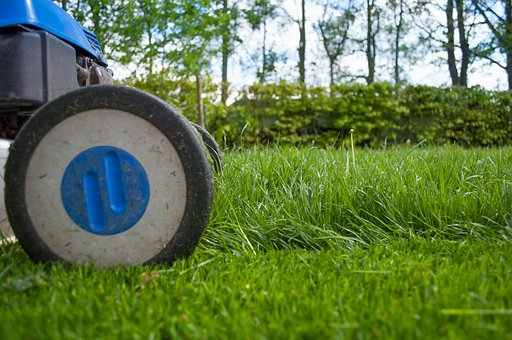
1. Improve Curb Appeal

Keeping your lawn neat, trimming hedges, and planting some shrubs and flowers are simple ways of sprucing up the exterior to make it more attractive and welcoming. If DIY isn't in the cards, consider investing in an experienced landscaper who can ensure your outdoor space is maintained with great care. Some outdoor accessories, such as a weather-proof bench or lanterns, would offer even more charm. All these aesthetic improvements can create stunning first impressions from potential buyers and help you get the most out of your investment without spending too much money.

2. Replace Appliances

With the ever-growing technology of home appliances, buyers are always looking for the newest and most efficient appliances. Replacing outdated ones with newer models is a great way to increase the market value of your property. When you're replacing appliances, make sure they're energy-efficient. Buyers care about their carbon footprint and monthly electricity bill, so investing in energy-efficient appliances will pay off.

3. Make Necessary Repairs

It's vital to ensure all faults are taken care of before putting the property on the market. This includes fixing plumbing issues, replacing broken fixtures, and repairing damaged walls or ceilings. Making these necessary repairs will make the property more attractive to buyers and help increase the market value of your investment property in Ohio. For the roofing structure of your business premises, you can hire a professional roofing contractor to identify any issues and help make the necessary repairs. When choosing a commercial roofer in Ohio, focus on the competency level. An experienced team will be able to fix the roofing issues you have. Some will even have the knowledge to guide the adjustments on the roofing structure. 

4. Focus on Interior Design

Many only think that this is for home settings, but it is also a great way to increase the value of an investment property. Switch up the look and feel of the interior, whether with a fresh coat of paint or some new furniture. If you need help, you can always consult an interior decorator for guidance. Keep in mind when making improvements to the interior that you stay moderate with only a few flashy colors or patterns. Stick to more neutral tones and designs so potential buyers can envision their style in the space.

5. Upgrade the Lighting Fixtures

Having good lighting can make a world of difference in any space. It's also one of the quickest and most affordable ways to enhance your property. Choose lighting fixtures that are energy-efficient, stylish, and functional. Consider adding some dimmers or light switches for an added touch of luxury. The need to upgrade the lighting fixture at the commercial setup is even greater. Focusing on energy-efficient systems will enable your business premises to save some money in the long run. To ensure this, you must hire a reliable and experienced lighting contractor who is well-versed in different lighting systems.

6. Stay Up To Date On Market Trends 

Staying informed about current market trends is essential for increasing the market value of your investment property. Knowing what buyers are looking for in an area will help you identify areas where you can make improvements and upgrades that will add more value to the home or apartment complex. Additionally, researching what amenities are most desirable in today's real estate market will allow you to better cater to potential buyers when it comes time to sell or rent your property at its optimal price.

7. Invest in Landscaping

This is one of the most important and influential ways to add value to your property. Planting trees, shrubs, and flowers can help improve the outlook of your home or office building. It's also great to show potential buyers that you take pride in keeping the grounds neat and tidy. Understand that landscaping requires maintenance and upkeep. Make sure you are willing to go the extra mile in keeping it looking good if you decide to invest in this area. Consider hardscaping, such as adding pathways, retaining walls, or patios.

These are just some of the proven ways to increase the market value of your investment property. With a little effort and patience, you can quickly maximize the value of any home or office building. Make sure you understand what buyers want and make improvements accordingly.
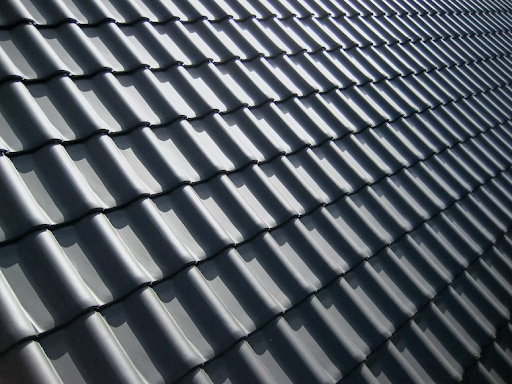
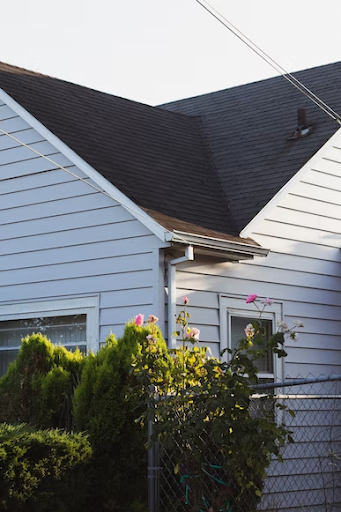
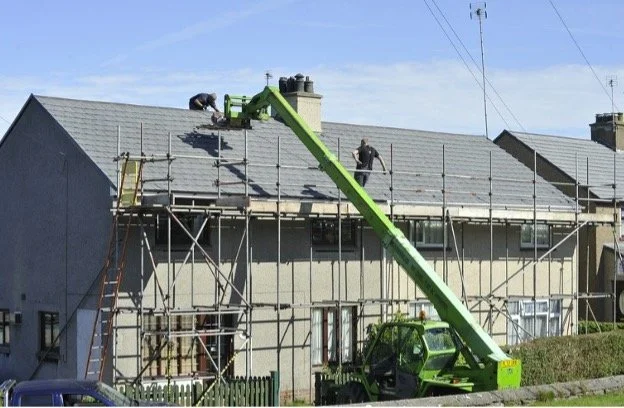
7 Common Kinds of Roof Damage and Their Solutions

RH Business Marketing Solutions

Your roof is one of the most important parts of your home. It protects you from the elements and keeps your family safe and dry. That's why it's so important to keep an eye on your roof and make sure that any damage is repaired as soon as possible. Roof damage can be caused by a variety of things, such as strong winds, hail, or rain. This blog post will discuss seven common kinds of roof damage and their solutions!

1) Missing or Damaged Shingles

Missing or damaged shingles are one of the most common types of roof damage. 

If you have missing or damaged shingles, it's important to fix them as soon as possible, because they can lead to further damage (e.g. water infiltration). There are a few ways to fix missing or damaged shingles: you can replace them yourself, hire a professional to do it for you, or use a sealant/coating. 

Replacing shingles yourself can be difficult and time-consuming, so many people choose to hire a professional instead. As advised by the team for roof repair in Sarasota, FL, having a professional do the job will ensure that it is done correctly and safely. If you do decide to replace the shingles yourself, make sure you purchase the correct type and size of shingle. 

2) Leaks

Leaks are one of the most common kinds of roof damage, as they can occur due to a variety of causes, such as missing or damaged shingles, improper installation, poor maintenance, etc. 

If you have a leak in your roof, the first step is to identify where it's coming from. Once you've done that, you can fix the leak yourself or hire a professional. If you do decide to do the repair yourself, make sure to use waterproof sealant and follow all safety precautions. 

3) Ponding Water

Ponding water is one of the most common and damaging problems that can affect a roof. It can cause leaks, structural damage, and even mold growth. In order to fix it, you need to identify the source of the problem and take steps to correct it.

The most common sources of ponding water are improper drainage, blocked gutters or downspouts, an insufficient slope on the roof surface, and damaged or missing shingles. Improper drainage happens when water collects on the roof because it cannot flow off correctly due to changes in the grade or incorrect installation of gutters and downspouts. Blocked gutters and downspouts happen when leaves twigs, snow, or other debris clogs the channel and prevent water from flowing away from the roof. The insufficient slope on the roof surface happens when there is not enough of an angle for water to run off quickly. This can be caused by improper installation or damage to the roofing materials. And finally, damaged or missing shingles allow water to seep underneath them and collect on the underlying materials.

4) Wind Damage

Wind damage is another common type of roof damage. High winds can cause shingles to blow off, missing or loose flashing, and other problems that can leave your roof vulnerable to further damage. 

In order to fix wind damage, you will need to replace any missing or damaged materials and make sure the flashing is installed properly. However, keep in mind that wind damage can be difficult to identify, so it's best to hire a professional who has the experience and tools necessary to properly diagnose the issue.

5) Mold Growth

Mold growth can be a major problem on roofs and is usually caused by water infiltration or high humidity levels. It can cause discoloration, rot, and other damage if it's not taken care of right away. Not only that, but mold can also be hazardous to your health. 

In order to prevent and remove mold growth on your roof, you need to identify the source of the problem and take steps to correct it. This could include fixing any leaks or damaged flashing, making sure gutters are unclogged, improving ventilation in your attic, or hiring a professional to treat the affected area. 

6) Hail Damage

Hail can cause damage to roofing materials, including missing or loose shingles, dents in metal roofs, and cracked tiles. This kind of damage is usually easy to identify and can be fixed by replacing any damaged materials. It is important to get this done quickly before any further damage can occur.

7) Clogged Gutters and Downspouts

Clogged gutters and downspouts can cause a variety of problems, including water infiltration, ice damming, structural damage, mold growth, and more. Fortunately, this type of roof damage can usually be solved relatively easily. Regularly cleaning the gutters and downspouts should help to prevent clogs from becoming a problem. If they are already blocked, they can be cleared out with a garden hose or by hand. In some cases, installing gutter guards may also be necessary to prevent clogs in the future. 

Clogged gutters and downspouts, improper drainage, blocked gutters or downspouts, an insufficient slope on the roof surface, and damaged or missing shingles are some of the most common types of roof damage. These problems can be caused by a variety of factors, such as high winds, hail damage, mold growth, and more. If you are experiencing any of these issues with your roof, it is important to take action right away to prevent further damage.

How To Make Working At Height Safer with Safety Measures

RH Business Marketing Solutions

Working safely should always be your primary focus, whether you work at height frequently or merely on occasion. One error can convert a normal task into a major accident or death. Every time an employee may be exposed to a fall hazard, you must be ready to protect them.

Work at Height: What is it?

Any task where there is a chance that a person could trip, fall, or suffer an injury is referred to as working at height. Working at height can include using a ladder, a roof edge, a floor opening, or even a loading dock. OSHA mandates fall protection in the general industry for height changes of 4 feet or more and professional working at heights trainingis a requirement that you must complete.

Safety Tips to Reduce Risks

Here are some safety recommendations to lessen the dangers of working at heights.

1. Employ railing

Whenever possible, employ railing. Railing is an example of passive protection; it's the simplest and best technique to ensure worker safety and compliance.

 They don't need any more training or tools because there is nothing they can do to protect themselves (other than stay within the rail).

For practically every type of rooftop, there is a railing system available, including non-penetrating roof railing, parapet mounted railing, metal roof railing, and more. Rails are the simplest fall protection solution to utilize once installed, regardless of the type you choose.

2. Pick the Right PPE

If you're going to employ Personal Fall Arrest Systems (PFAS), make sure you select the appropriate tools. Regardless of price, all full-body harnesses that adhere to ANSI specifications will deliver the same performance.

The price difference can, however, net you an added benefit. Yes, occasionally it's simply a name, but other times you're getting or losing functionality, like more D-rings, fireproof material, or arc-safe design. A more expensive harness may occasionally cost more merely because it is designed to be more comfortable.

3. Thoroughly check your PPE

You have the tools you require to create a safe working environment. If the systems are so worn-out that they malfunction, it won't matter. An expert should inspect harnesses and lanyards once a year, if not more frequently (one with the knowledge to recognize the hazard AND the authority to correct it). However, the user should always inspect PPE before using it.

Anyone who might use the gadgets needs to be aware of what they're searching for, what is and is not appropriate, and what to do if there is a problem. Pre-use inspections need to be thorough, even if they don't require a lot of time. The outcome of this phase might determine life or death.

4. Confirm that you comprehend fall distance

All the fall protection gear in the world won't help if it doesn't activate before you collide with something.

You'd be shocked at how simple it is to get this portion wrong, despite the fact that this may seem like a "common sense" statement. It is common to see a worker at 10 to 12 feet off the ground wearing a 6' lanyard with a deceleration device when visiting a construction site or observing a maintenance staff at a facility. Although it might seem like it should work at first, there are a lot of reasons why it won't.

5. Pick an appropriate anchor point

You may have realized by now that there are numerous aspects, particularly PPE, that play a role in fall safety. We're just getting started, so to speak. What use is a properly configured harness and lanyard if the anchor point can't support the load? There is no response.

What qualifies as a proper anchor point? It's not made of PVC. It's not even a piece of steel art on the roof. A site of anchorage is only appropriate if

·       A professional engineer who has estimated the projected loads designed and approved it,

·       or it is obviously capable of supporting a load of 5,000 pounds.

Choose structural steel with an appropriate beam clamp because many structures won't be able to bear these stresses. Or, if properly installed, a made-to-order roofing cart or anchor.

Working at height safely necessitates the correct training, concentration, and safety measures to be in place. Shortcuts and complacency can result in accidents that cause severe harm or death. Contact our team of fall safety experts for a free consultation to learn more about the steps you can take to reduce your fall dangers.

Guest Contributor: Mike Parsons 

Growing Your Garden at Home: Top Tips to Create an Amazing Natural Space

RH Business Marketing Solutions

If you're like most people, gardening is a lot of hard work. It can indeed be labor-intensive, but it doesn't have to be. There are plenty of ways to make your garden easier to manage while creating a unique natural space. Follow these top tips, and you'll be well on your way.

Start by Creating a Plan

Before you jump in and start planting, develop a strategy. Involve the whole family to brainstorm ideas for flowers or vegetables you'd like to see growing in your garden. Think about how much space each plant needs and what soil works best for them. This will help you create a plan for where you'll put the plants and how you'll maintain them. You can even draw out your garden plans on graph paper to give yourself a visual representation of what it will look like. For more creativity, you can create a theme for your garden. Whether it's an English country garden, or a children-friendly outdoor space, having a theme will help you come up with ideas and focus on what kind of plants to choose.

Buy the Right Gardening Gear

Having the right tools and equipment will make gardening a lot easier. Invest in good quality tools that can handle the wear and tear of lawn maintenance. You'll also want to buy an assortment of pots, containers, and hanging baskets that you can use to add more plants or flowers to your garden. It's also a good idea to get a few good kneeling pads and gloves so that you don't have to worry about hurting your knees or hands while gardening. 

When looking for the right gear, gather the correct information and read reviews to get the best quality for your money. There are reliable online resources with precise details on garden towers, strawberry planters, mini-greenhouse kits, and the like. Consider visiting Harper's Nurseries to learn about the best urban garden gear. This will allow you to browse an impressive gear selection and research customer reviews. With all the resources available, finding the perfect gear to suit your gardening needs should be easy.

Choose the Right Plants

Once you have your plans in place, it's time to choose which plants you want in your garden. There are many options for plants, so do your research and find out which ones will thrive in your climate. Consider the amount of sunlight that each area of the garden gets and choose plants accordingly. You don't necessarily have to buy new plants either - look around your neighborhood for cuttings or seedlings you can propagate yourself. Besides, make sure you choose plants that are appropriate for the space available. Try to cram only a few plants into a small area, or they won't get enough sun and air circulation.

Mulch and Fertilize

Once your plants are chosen, it's time to introduce the nutrients. Mulching helps to surround the plants with a layer of material that will keep moisture in and weeds out. It also adds nutrients to the soil as it breaks down over time. You can buy bags of mulch from most garden stores or your local hardware store. For fertilizing, use an organic fertilizer such as compost or manure to help your plants grow properly.

Watering

Remember to water your garden regularly. Depending on the type of plants you have and what time of year, you may need to water more or less often. Check the soil moisture levels before watering - if it's too dry, give your plants a good drink. If you have a sprinkler system, set it up on a timer so that your plants get enough water without you having to keep track of it. Also, ensure the area around your garden is clear of debris and weeds so the water can easily reach the roots. However, be careful with water since going overboard can cause your plants to become overwatered. Give them a good drink, but don't leave the water running constantly.

Understand That Gardening Takes Time

It's not a quick fix but a long-term investment in your natural space. Expect to see results slowly, as it can take weeks or even months for some plants to grow and bloom. Be patient and enjoy watching your garden come to life each day. With some knowledge and effort, your garden will become a unique outdoor space you can enjoy for many years.

With these top tips, you'll be well on your way to creating a remarkable natural space in your garden. It will take some work and dedication, but the result will be worth it. Whether looking for a place to relax or hoping to grow food for yourself and your family, growing your garden at home is a great way to do it.

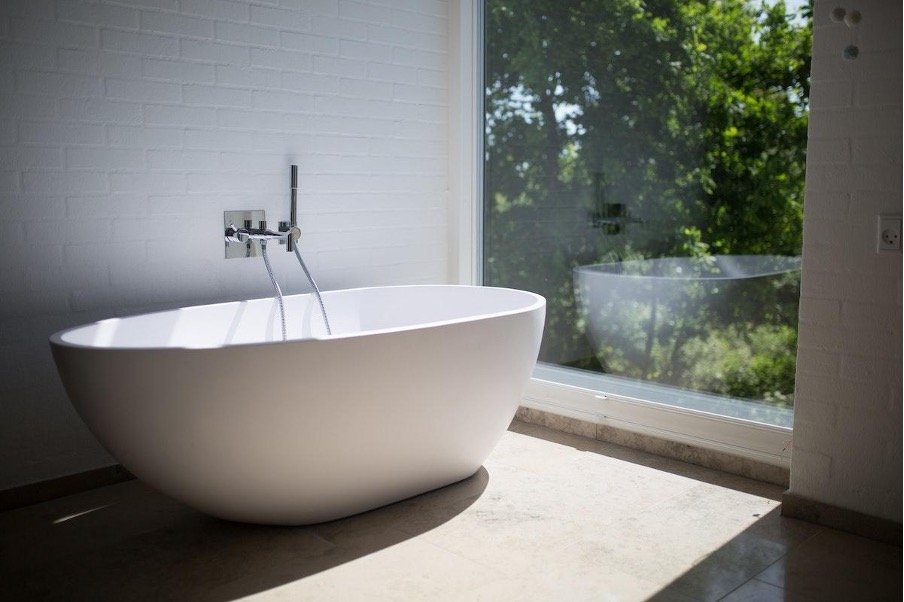
Why Are Stone Bathtubs Better?

RH Business Marketing Solutions

Many opt into purchasing a stone bathtub because they are aesthetically pleasing. They're the most durable bathtubs and are rather easy to maintain. There are a few drawbacks to purchasing one. Some complain about stone bathtubs taking more money and time than acrylic baths or fiberglass. Here are some of the many benefits of purchasing luxury stone baths from Hansel Stone:

1. They're Very Hygienic

Stone is known to be both antimicrobial and antibacterial. This makes it the perfect choice for any bathroom. They're better at keeping mould and mildew at bay than the traditional models. People with asthma or any other respiratory issue may find them a better choice for this very reason. These guys do not need traditional sealing that is absolutely mandatory when purchasing a wooden or composite tub. Composite or wood baths have to be sealed on a regular basis or you'll wind up with leaks and other types of damage.

 2. They're more durable

These guys are gaining in popularity as people know them to be extremely durable. Because they are only made up of natural materials, stone bathtubs tend to not leak or crack easily compared to the other types of baths you could pick. Also, they tend to be easier to repair than the other models available. Those cracks and leaks and any other type of defect you might think of can be taken care of by simply filling them in with a little grout or cement mix. All that's left is a time allowance for them to dry before using them again.

3. They're More Comfortable

Engineered stone is used when making stone baths. Natural stone is used like granite or marble and then cut down into smaller pieces and is typically put together by the use of resin. This process helps make stone bathtubs extremely strong and durable. It's why they're often a mainstay at the best resorts and hotels across the nation and globe. Many find the bathing process in a stone bath to be easier as they're completely non-slip and lots of people find them easier to clean-up when the bathing process is done.

4. They're Easy to Maintain

Stone baths are absolutely breathtaking. They might become a little difficult to maintain if you give up on maintenance. When choosing engineered stone baths, you won't run into this problem. They couldn't be easier to maintain because they are equipped with a porous surface. They don't stain half as easily or get dirt and grim absorbed in them like the older types of bathtubs did before engineered models became popular.

Guest Contributor: Arslan Hassan

Home Selling Checklist: Things to Do Before Selling Your House

RH Business Marketing Solutions

Selling a property is a task like no other – there are so many things to consider. Luckily, we have come up with a short list of things you should keep in mind, if you want to have the best chances at selling your home for the desired amount.

Consider your curb appeal

Unfortunately, when it comes to buying property, people tend to judge the book by its cover. This is only natural, no one wants a house that has cracked paint and a messy lawn. Get out and look at your property from the outside – is there anything that would be off putting to potential buyers? Cracked façade, paint peeling off of the fence, unkept lawn, etc. You ought to fix these issues before going on the market.

Depersonalize your space

While it may be heartbreaking, but it is essential that you depersonalize your property. It may be painful to get rid of all these wonderful quirks that testify to your life spent in that space, it is important for you to understand that other people will be living in that space, and you have to make room for their memories. Family photos, paintings, toys, bold furniture, or anything that might distract your potential buyers from picturing themselves living there should be removed.

Repaint walls in neutral tones

Your goal is to create a blank canvas for your buyers, so they can imagine themselves starting a new life in your former home. So, no matter how much you love that accent wall you have in the bedroom, or that mural you painted for your kids in their room, you should paint over it with a neutral color. Remember, your buyers have to be able to imagine your property as their future home, and having “you” all around the place will make that much more difficult.

Find a great real estate agent

You definitely need to get busy looking for a good real estate agent. This is the easiest way for you to ensure that you’ll get the best possible buyers, without having to go through the process alone. A good agent has in-depth knowledge about the market, potential buyers, and will make sure that everything goes smoothly. Feel free to interview a few different agents before you make a decision. It is also wise to hire a good lawyer, since there are a lot of legalities you might miss, so for any questions or issues, we recommend hiring great property conveyancing lawyers in Essendon. They will certainly make the whole process much easier.


Declutter your space

Having too much furniture is never good when showcasing your property to potential buyers. Firstly, cluttered space can make the rooms seem much smaller and too crowded, and that may have a negative effect on your buyers. Secondly, just like getting rid of your personal items, having clean spaces makes it easier for your buyers to picture their items in your property. Lastly, buyers may trust you more if they see a well-organized space, since it makes you look more like a professional.

Add some plants

Plants can do wonders to a space, especially if it’s big. They add a dash of warmth and serenity to your home, and they fill empty walls and corners perfectly. Plants don’t seem to overcrowd a space like extra furniture, because they can be moved around. They also brighten up living areas, and they make your home seem more welcoming, without necessarily making it seem to personalized.

Fix any leaks and cracks

Just clearing extra furniture and décor isn’t enough, of course. You need to address any leaks, cracks, and loose screws, if you want your home to have the best chances on the market. Nobody likes loose door or kitchen cabinet handles. Also, leaky faucets should be replaced. These tiny details can make your buyers think about other things that might be wrong with your property, and you don’t want them to doubt whether your house will make them a fitting home.

Clean your space

The most obvious of all – your place should be spotless before viewing. That means you should clean things you never thought of cleaning, and once you’re done cleaning – clean everything again. Every stain, spill or skid mark is a big no-no in the eyes of your buyers. You want to get rid of all the evidence that you once lived in your property, so repaint your walls, scrub everything spotless, and deep clean your furniture, rugs and carpets.

As you see, there is a lot more to selling a property than meets the eye. So, consider this list, and get to work. All that scrubbing, cleaning and repainting is no easy job. Luckily, we guarantee it’ll pay off in the end.

Guest Contributor: Diana Smith

7 Signs it's Time to Upgrade Your A.C. Unit

RH Business Marketing Solutions

Nothing beats relaxing in your home as the AC runs. Summer temperatures can easily hit 80 degrees Fahrenheit and climb even higher. Though some homes still rely on winter units, others have HVAC systems that include an AC and heater. A faulty AC will have a rough time keeping your home cool and may cause warm or hot spots to form in various rooms. You can't always repair the system and get it working again either. That's why you should look at the seven signs that now is the right time to upgrade your AC unit.


Costly Repairs

While residential HVAC service can make your AC unit last longer, you don't want to see the same technician come to your home month after month. A common sign you should upgrade your AC is when the repairs add up. Feel free to pay for one or two repairs every year, especially if you can't afford a new system. If the costs keep going up through, think about an upgrade.


Lots of Moisture

It's normal to see a small amount of water or moisture around the unit. This is from the condensation that forms inside. In most cases, you'll see a couple of small puddles every month. It's not normal to see bigger puddles or find new puddles around the AC. This is often a sign that there is even more condensation inside the unit and that your AC cannot keep up with your demands.


Uneven Cooling

Your AC works with the ducts to move cool air from one room to the next. When it works the way it should, every room will feel as cool as you want it. A faulty AC will produce uneven cooling. While one room might feel perfect, others will be a few degrees higher or more. Uneven cooling is a big sign you need a new unit.


Strange Noises

An AC can produce a lot of noise while running. You grow accustomed to those noises and may even learn how to ignore new sounds. Never ignore any strange sounds coming from your AC unit though. These signs can indicate a serious problem that will take a lot of time and money to fix. Always ask a technician to inspect the unit and find the causes of those noises. You might decide to upgrade to a better AC.


Tripped Breakers

Newer homes use circuit breakers that provide power to each outlet and room. You should upgrade your AC when running it, trips your circuit breaker, especially if this happens daily or weekly. The same holds true of older homes that still use fuses. If the AC blows your fuses, you should upgrade it. Tripped breakers and blown fuses are a sign that the AC uses more power than it should. You might even find that turning the temperature down or only using it for a few hours a day does not help.


High Bills

The average cost of running an AC ranges from around $15 to $211 per month. Many people budget for the warmer months to make sure they can run their AC as often as they want. Always keep track of your monthly power bills. If your AC causes your bill to skyrocket and costs more than it did last year, you may need to upgrade or replace it.


It's Old

Buying and installing an HVAC system can easily cost a few thousand dollars or more. It's a serious investment and one that you don't want to replace. Most AC units have an average lifespan of around a decade though. When you break this down to your annual costs, you'll find that you got a lot out of your AC over the years. The best time to upgrade your AC is when it hits the decade mark.


When to Upgrade Your AC

While you'll get around a decade of use out of an AC unit, you might get even more use out of it. If you're on the fence about whether to spend more on an upgrade, think about some of the problems you had with it. A reputable HVAC technician can easily help you choose the right upgrades for your unit. Some of the signs that it's time for an upgrade include high power bills and uneven cooling.

Guest Contributor: Miranda Spears

Ways To Prevent Moisture Buildup In Your Home

RH Business Marketing Solutions

Infographic provided by Feldco, home window services

Ways To Prevent Moisture Buildup In Your Home


Excess humidity in a house can be detrimental when unaddressed. It even has the potential to damage the very structure and foundation of a building if left too long. What’s more, it can be harmful to human health, especially to those with allergies or asthmatic conditions. That’s why every homeowner needs to stay on top of moisture control and prevent excessive humidity from accumulating in the house. Below is a brief look into how to accomplish this.


First, what leads to humidity buildup? There are many causes that are simply a part of our day-to-day lives. Condensation could come from washing the dishes, running the washer and dryer, poor drainage around the home, and even the vapors released when we cook. It’s when these elements create a cumulative effect — or there is something major such as leaky plumbing or a constantly damp basement — that the trouble begins.


For instance, showering creates humidity in the bathroom and, when there isn’t proper ventilation, that moisture becomes trapped. As it lingers in the room, it creates a warm, damp environment that is the typical breeding ground for mold, mildew, bacteria, and other noxious microorganisms. When these spores and other microbes are breathed into a person’s respiratory system, it may lead to a variety of health issues both in the short term and long term.


Some signs that the moisture level in your home is too high include peeling paint, warped wooden floors, droplets on the windows, and wet stains on the walls. When the concentration is this high it can impact the lifespan of your furniture, features, and house as a whole. Before that happens, it’s essential to take steps to enhance moisture control throughout the house.


Begin by identifying any problem areas. Are the gutters clogged and letting water seep inside? Is there enough ventilation in key parts of the house like the kitchen and bathrooms? Are the appliances working as they should without any leaks or clogs? Answering these questions and others like them can help pinpoint an area you need to address first and foremost.


If there are no clear culprits, improving air quality can be achieved through simpler forms of humidity control. You can use dehumidifiers as well as the air conditioning system to reduce moisture by lowering the temperature. On average, a relative humidity level from 30-50% is what most people find comfortable. Going forward, consider programming the thermostat and setting the dehumidifier to better meet this level. Upgrading the insulation in the basement and attic, weatherstripping around the exterior doors, and installing storm windows are other preventative measures worth investing in with the help of professionals.


For further information on the effects of moisture in the home as well as ways to mitigate it, please see the accompanying resource by Feldco.

How to Restore Flood-Damaged Furniture

RH Business Marketing Solutions

Natural disasters can happen anytime, and when it comes to floods can happen anywhere. While it is true that locations in flood zones are at a higher risk, that doesn’t mean that everyone else is safe.An uncharacteristically heavy storm can create a flood anywhere. That can bring significant problems and damage to your home and your possessions. For example, if your basement floods, it can sometimes be hard to collect yourself and bounce back. So knowing what to do in such a situation is very important. If you need to restore flood-damaged furniture, rest assured that there is always a way to do that.

It would be best to remember that restoring furniture after a flood is much more complicated than an ordinary restoration project. That is why it’s always best to have professionals by your side. However, if you are a DIY-er, here are a few key pieces of information you will need to save as much of your precious furniture as possible.


Before you start restoring 

Your first step after your home has been affected by a flood is to take pictures of your entire home and all the damaged furniture. That is essential in dealing with flood damage and should come before any DIY restoration project. That is important because it helps you prepare the proper documentation for insurance claims. You will need to send these pictures to your insurance company.

After you’ve finished that, it’s time to categorize your furniture. You should separate it into three categories:

1.      The furniture you can restore - This mainly refers to only lightly damaged furniture. Additionally, it also includes items that would be cheaper to restore than to replace;

2.      The furniture you can’t restore - As opposed to the first category, this category includes furniture that has been substantially damaged. And items that would be cheaper to replace than it would be to invest in the necessary equipment and materials to restore;

3.      Irreplaceable furniture - This category includes items that hold too much sentimental value to get rid of. With this category, you just have to consider whether it’s better to restore it or keep it as a souvenir.


Which types of furniture are the most susceptible to water damage

Before we go through the list of ways to restore flood-damaged furniture, let’s first discuss the three types most susceptible to watch damage. Since these are also the most common types of furniture in homes, they are the most important to cover. So the three types of furniture we will be discussing are:

1.      Upholstered furniture,

2.      Leather furniture,

3.      Wood furniture.


Restore flood-damaged upholstered furniture

Whether you should be restoring upholstered furniture depends on what the flood that damaged it looked like. If you have high and dirty water in your home, your best course is probably to throw out the pieces. That is because the upholstered parts of the furniture will have absorbed the bacteria and pathogens in the water, and you can expect mold and mildew growth in that furniture very soon. If the furniture is precious, you can also call a professional to help you. This specialist will likely tear away the upholstered parts and replace the webbing and springs. However, if you’re dealing with cheap furniture that’s not worth saving, most professionals will advise you to just toss it.

If the flood you were dealing with was light, and the water was relatively clear, you may be able to salvage it yourself. Your first step would be cleaning any visible dirt off the piece. It’s best to use a pressure washer for this. After that, you would just have to let it dry properly. Don’t try speeding up that process with things like hairdryers. Just let the furniture air dry on its own.


Leather furniture

Leather and pleather furniture is also very sensitive to water. Wet leather can start to crack and rot; inthe worst-case scenario, it can even fall apart. That is when the categorizing we discussed earlier becomes very important. Leather furniture is restored similarly to upholstered furniture. However, the process is even more delicate. And instead of trying to restore flood-damaged furniture made of leather, you might just be better off replacing it.


Restoring flood-damaged wood furniture

Furniture made from solid wood is a lot more likely to be salvageable. Since solid wood is less porous than other furniture materials, it’s a lot less sensitive to water damage. That is especially true if the wood is varnished properly. The biggest issue is that wood can get warped from excess moisture. That means your main goal when restoring this type of furniture is to bring it back to its original shape and dry it properly.

Keep in mind that any wooden furniture you fix will be much more sensitive in the future. Thatmeans that if you decide to keep something after it’s been flood-damaged, you will have to be muchmore careful when you choose to relocate. It will be much more work to protect and keep your pieces safe during a future move.

That said, let’s go through the necessary steps. You have to take to salvage wooden furniture after flood damage.


Step 1. Do a deep clean of the furniture

Using a regular hose, you should clear away any large and visible residue from the furniture. After that, you can also use chemical cleaners like wood alcohol and turpentine to clear away any traces of mildew growth.


Step 2. Dry the flood-damaged wood furniture

When dealing with swollen or warped wood furniture, your first step after cleaning it should be to let it dry properly. Just like with upholstered furniture, you should avoid trying to speed this process up. It can create further damage if you try to quickly dry the pieces with something like a hairdryer.

If you can, you should also avoid drawing it outside. Direct sunlight can also cause further warping or even cracking in the wood. As long as the space you are using to dry your furniture is well-ventilated,you will get better results by drying it inside. Remember that this is a long process, but you must finish it before you can continue with any other form of restoration.


Step 3. Glue and fix things back together

After your furniture has completely dried, it’s time to glue and fix things back together. You should tighten any joints that feel loose with more screws. And if any pieces of furniture fall off the main item, you can also try to put them back with screws or the proper type of glue.


Step 4. Sand it down

If you want to restore flood-damaged furniture, your general goal is to get it back to the way it was before the flood. A big part of that when it comes to wooden furniture is removing any bumps, swelling, and warping the excess moisture created. If you can, it’s best to invest in a professional sanding tool. But some elbow grease and sandpaper can get the job done as well.


Step 5. Add a protective coating

Since your furniture will be more sensitive from now on, the good idea is to put a layer of protective coating on it. This way, it’ll be a lot more secure from further damage.


To conclude

Of course, as with everything, prevention is the best way to deal with floods. Researching ways to protect your home from floods in the future will always be a great idea. However, if the damage is already done, utilizing these tips will help you restore flood-damaged furniture as best as possible. And, if all else fails, you can always get in touch with professionals who can help you properly bring important furniture back to its original shape.

Guest Contributor: Sophia Perry

Simple Guide To Adding Extra Space To Your Property

RH Business Marketing Solutions

Are you feeling cramped in your home? Are you constantly running out of storage space for your stuff? If so, don't worry – you're not alone. Many homeowners find themselves in the same situation. Luckily, you can do a few things to add extra space to your property. This blog post discusses some simple tips that will help you get started.

Invest in a metal building kit

If you have ample space in your outdoor area, you can invest in a metal building kit. These kits are designed to help you quickly and easily build a small structure that can be used for extra storage or even as a workspace. Metal buildings come in all sizes, so it's easy to find one that meets your particular needs. Plus, they're relatively affordable and require minimal maintenance over time. The building professionals affiliated with Steel Buildings Kit suggest that you opt for a kit designed for your specific application – such as a garage, shed, or workshop - to ensure you get the most out of it. Building kits usually come with instructions, so it's easy to construct your structure with minimal effort.

Install shelves and cabinets

If you don't have enough space to build an additional structure, you can still add extra storage by installing shelves and cabinets. Installing more shelving units in your closets or pantry is a great way to maximize the vertical space available. To keep things organized, you can also install wall-mounted cabinets in living rooms, bedrooms, or bathrooms. Plus, many modern cabinets come with plenty of storage capacity and are designed to fit seamlessly into any space. When choosing a cabinet, make sure to pick one that's made with durable materials and easy to clean. For instance, opt for kitchen cabinets made with stainless steel or wood laminate.

Go vertical with your furniture

For a small living space, it's essential to make the most of the vertical dimensions. One great way to do this is by choosing furniture pieces that are tall and slim. This will help you save space while providing plenty of seating or surface area. For example, if you're looking for a dining table, opt for one that is tall and narrow. Or, if you need more storage in your bedroom, invest in a wardrobe or dresser with multiple drawers. This way, you can easily store clothes and other items without taking up too much floor space. You can also consider installing a wall bed, which allows you to fold it up when not in use. These are perfect for bedrooms, offices, and living rooms alike.

Create a storage nook

If you have an unused home corner, you can quickly turn it into a functional storage area. Adding shelves and cabinets allows you to store items while making them look neat. You can even add baskets or bins designed to fit into the shelves – this will help keep things organized and accessible. Additionally, if you have extra space in your attic or basement, consider using these areas for storage. The key is to be creative in making the best use of your room.

Add loft storage space

Do you have an attic? If so, consider converting it into usable storage space. Doing this will increase your room for storing items like seasonal decorations, extra clothes, and other things. You can also add skylights to the attic for more natural light. This will help make your storage area look more inviting and ensure you don't have to worry about where to store things. To begin, consider hiring a contractor to inspect the area and give you suggestions on how to make it usable. Once that's done, your loft storage solutions will help you make the most of this extra space.

Rent a storage unit

Finally, you can consider renting a storage unit if you lack space indoors and don't have the time or money to build an outdoor structure. This is an excellent solution if you need extra room for seasonal items such as holiday decorations, sports equipment, and tools. If you have an RV or boat you don't need, then a storage unit can also be used for these items. Be sure to do some research before signing a lease – look into the facility's security features, climate control capabilities, and other amenities to ensure that it meets your needs.

These are just a few tips to help you add extra space to your home. No matter which option you choose, adding extra space to your property is an excellent way to make your home feel more spacious and comfortable. With the help of these tips, you'll be able to create additional storage without compromising the aesthetics of your home. Good luck!