Google+

contact us

Use the form on the right to contact us.

Day or Night, we are here to serve you. Leave your plumbing problem to us.


Tinley Park, IL

(708)845-7922

Residential and Commercial plumbers and plumbing contractors available in Orland Park, Tinley Park, Oak Lawn, Palos Heights, Midlothian, Oak Forest, Homer Glen, Mokena, Frankfort, and the surrounding Chicago South Suburbs. Emergency plumbers.

copper water lines.jpg

Kevin Szabo Jr Plumbing Blog

Kevin Szabo Jr Plumbing is Tinley Park, Orland Park, Oak Forest, Midlothian, Orland Hill, Homer Glen, Mokena, Frankfort, Crestwood, Palos Heights, Oak Lawn, local plumber. Read our blog for advice, tips, a good laugh, and basic home improvement.

**We are moving our old blog to our new and improved website. Too see all our posts visit kevinszabojrplumbing.blogspot.com

Filtering by Category: December

How To Make Sure Your Home Is Healthy And Clean

RH Business Marketing Solutions

Living in a healthy and clean home is essential for yourself and your family. Not only does having a clean and safe environment ensure that you’re not getting sick, but it also creates a pleasant living space full of comfort. To make sure your home is as healthy and clean as possible, there are several things you can do. From tackling any potential health issues to properly maintaining the indoor air quality, taking these preventative steps will help you create an inviting and worry-free home.

Eliminate Household Pests

An effective pest control approach can help you make sure your home is pest-free and healthy. With the help of a pest management company, you can ensure that your home is correctly treated for any pest infestations. Furthermore, pest control specialists will guide preventative measures to avoid future pest problems. They will also advise on methods such as sealing entry points and properly disposing of food scraps and other debris which can attract pests 

Additionally, pest control experts understand the health risks posed by pests, such as bacteria, viruses, and parasites, and potential damage they may cause to your property. Pests can carry disease-causing microorganisms that may cause serious illness in humans and animals if ingested or inhaled. Regular pest control treatments can help reduce these risks and protect your home from pest infestation.

Get rid of allergens in the air

Allergens like pet dander, dust mites, pollen, mold spores, etc., can all be found inside our homes, and even though they might seem harmless, they can actually lead to a wide range of health problems from allergies and asthma to sinus infections. To reduce the allergens in your home, start by vacuuming carpets, rugs and upholstered furniture regularly. Use a vacuum cleaner with a HEPA filter for added efficiency. Next, clean walls and other hard surfaces with damp cloths or mops instead of using chemical cleaning products that could make matters worse. You should also install air filters in heating, ventilation and air conditioning (HVAC) systems and change them annually. Additionally, keep pets away from bedrooms and living spaces to avoid bringing in any potential allergens into those areas. 

Create a smoke-free environment

Smoking indoors can be a major source of indoor air pollution, as the smoke particles released contain chemicals that can pose health risks to those who inhabit the space. Smoke can also linger in fabrics and furniture, leaving an unpleasant odor that is difficult to remove. Creating a smoke-free environment helps reduce exposure to these pollutants and prevents them from building up in your home over time. Additionally, it prevents secondhand smoke exposure for anyone else living in or visiting your home, making sure everyone stays healthy and safe. 

Having designated smoking areas outdoors or designating certain rooms as non-smoking zones are two strategies for creating a smoke-free home environment. If you have guests who do smoke, ask them politely to take their smoking outside and provide ashtrays or other receptacles for cigarette butts. Regularly cleaning and airing your home is also an effective way of minimizing smoke particles in the air. Vacuuming furniture and carpets, regularly washing curtains and drapes, and using an air purifier with a smoke-reducing filter are additional steps to take to maintain a healthy indoor environment. 

Test for radon

Radon is an odorless gas that can enter homes through cracks and openings in the foundation and walls. Although levels of exposure vary widely from one area of the country to another, radon exposure can lead to lung cancer over time and it is the second leading cause of lung cancer in the US. If you want to make sure your home isn’t at risk, consider investing in a radon testing kit that can be found online or at hardware stores. 


Check for lead-based paint

Lead-based paint is a health hazard, especially when it starts peeling off walls and other surfaces. Therefore, it’s important to check any areas where chipping and flaking might occur and inspect any painted areas in your home if they were done before 1978. If you do find any lead-based paints, make sure to cover them with an oil-based primer until professionals can come and remove the paint safely. 

Maintain healthy indoor air quality

Poor indoor air quality can lead to various issues, from headaches and asthma attacks to serious respiratory illnesses. To ensure that your home’s indoor air is as clean as possible, make sure to regularly replace filters for heating, ventilation, and air conditioning systems. Additionally, keep vents free from dust, dirt and debris by vacuuming them on occasion. Invest in an air purifier if you want extra protection against allergens and other pollutants. 

Control humidity levels

Too much moisture inside a house can cause mold growth, which can harm your health. To prevent this, use exhaust fans when showering or cooking and opt for dehumidifiers if necessary. Additionally, inspect areas like the basement and attic for any signs of mold or water damage. Cleaning these areas regularly with a mixture of bleach and water will help prevent mold growth.
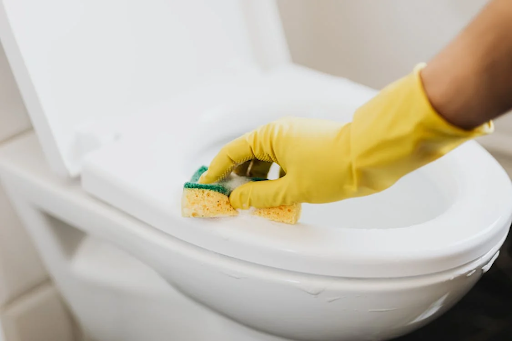
By taking the time to properly maintain your home, you can ensure that it is a healthy and inviting place to live in. Follow this advice to ensure your home stays clean, safe, and healthy.
How To Safely Dispose Of Renovation Debris

RH Business Marketing Solutions

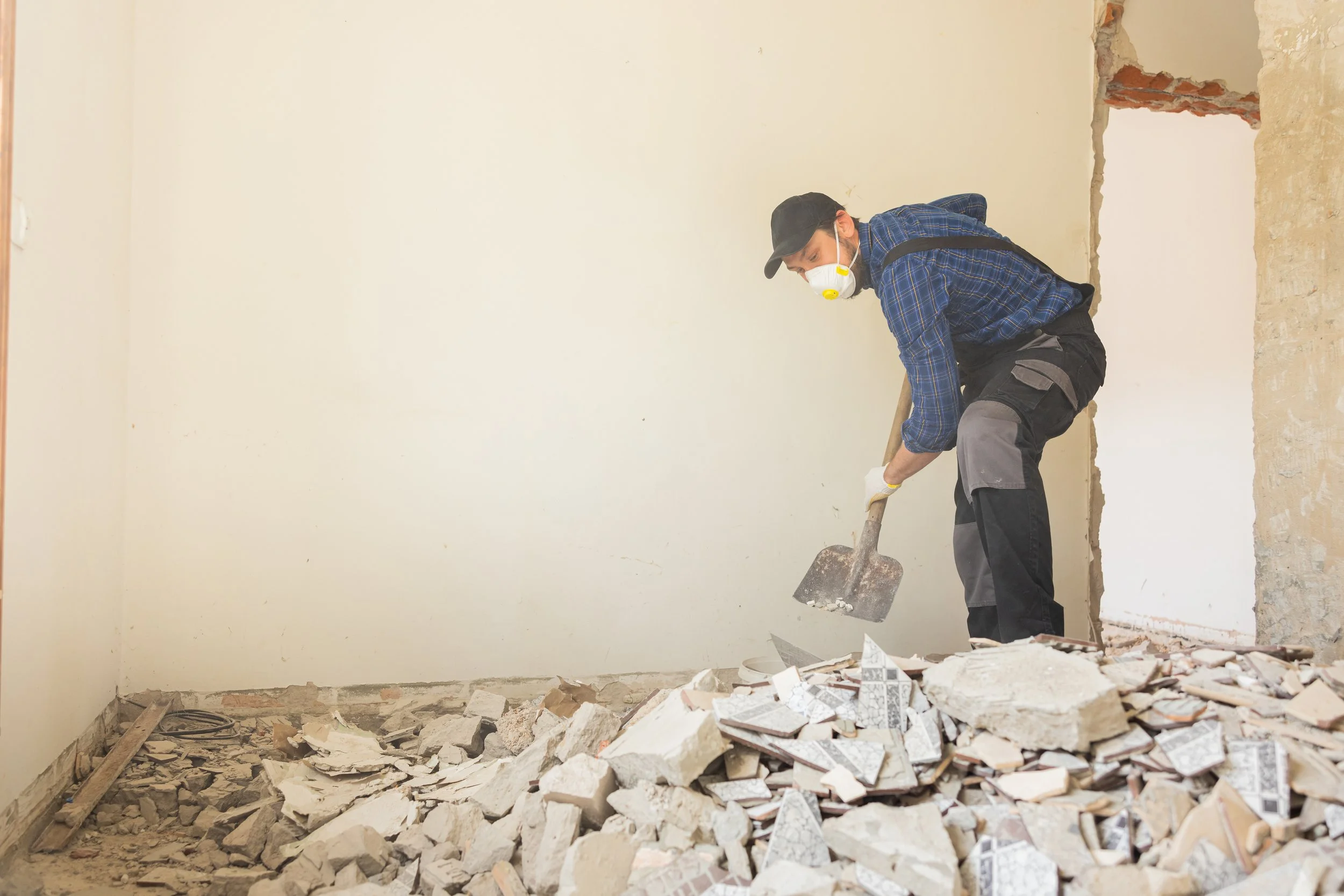
When remodeling or renovating your home or office, there’s a lot of unwanted waste generated from construction materials. Unlike household waste, managing and disposing of renovation debris can be daunting. That’s why many get stuck with heaps of renovation debris, which leads to safety and health concerns. For this reason, learning how to dispose of renovation waste safely is essential. This article looks at the best ways to dispose of your renovation debris. Read on to learn more.

Hire A Waste Removal Company

Hiring a waste removal company is one of the most efficient options for disposing of renovation waste. Waste removal companies have all the skills and tactics to handle any amount and type of waste. 

Hiring waste removal services gives you peace of mind knowing that all your renovation debris will be disposed of safely. All you need to do is sit and relax while experts do all the work for you. Additionally, hiring professionals for the task saves you a lot of time. You can comfortably handle other tasks while experts work on the renovation debris.

However, choosing the right waste removal company isn’t a walk in the park. There are different factors you should consider before choosing a removal company. For instance, you should research the company’s reputation by reading reviews from previous customers or interviewing clients the company has served to get an idea of its reputation. Additionally, the company should be licensed and insured. This is essential in case an accident or property damage occurs during the waste disposal process.

Reuse and Recycle

Reusing or recycling renovation debris is highly recommended to avoid accumulating waste in landfills. Reusing and recycling renovation materials depend on their condition, the recycling centers' availability, and the market demand. 

Not all materials can be reused or recycled, so it’s a good idea to separate the reusable ones from those that can’t be recycled. Some renovation materials that can be reused and recycled include electric wiring, bricks or concrete, carpet tiles, doors, windows, metals or steel, and plumbing fixtures such as sinks, taps, and toilets.  

Rent A Roll-Off Dumpster

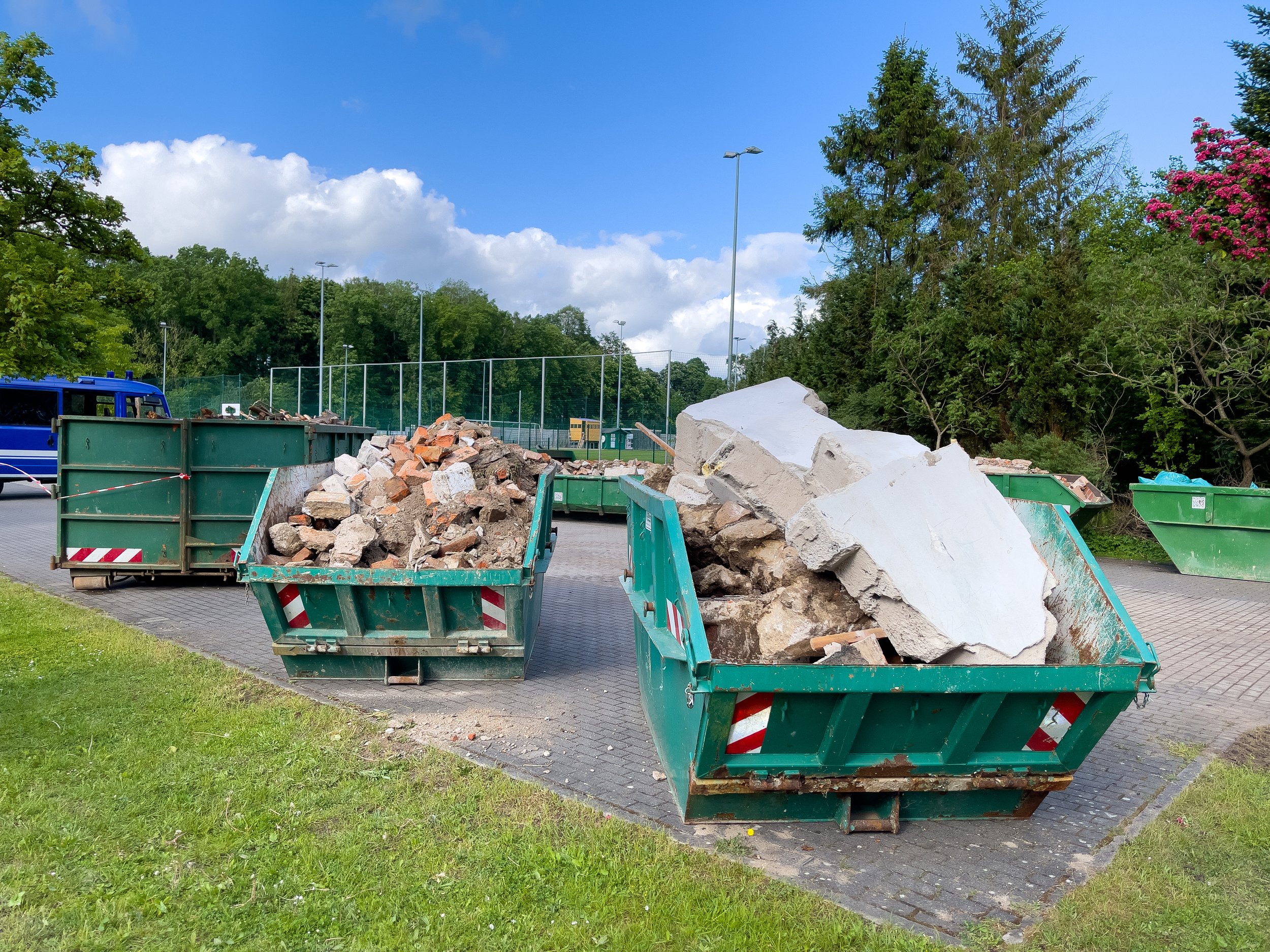
Another fantastic way to dispose of renovating debris is by hiring a roll-off dumpster. A roll-off dumpster is a specialized trash container with wheels designed to manage waste in construction and renovation projects. The dumpsters have open tops for the easy loading and unloading of waste and have wheels for easy movement. 

Additionally, roll-off dumpsters come in various sizes, meaning you can choose one that perfectly fits your needs. If you don’t have enough space to fit a dumpster, you may need to apply for a permit to position the dumpster along the road.

Drop Off Renovation Waste

If the renovation materials can’t be reused or recycled, consider taking them to drop-off stations or landfills. To save money, you can use your truck or trailer to bring the renovation waste to landfills or drop-off sites instead of hiring waste management and collection services. 

However, it’s best to segregate the materials beforehand, as there’re dump stations for different types of waste and debris. Also, most landfills have secluded sections for construction and renovation materials. Therefore, contacting your local landfill site is essential to know their rules and avoid heavy fines.

Sell Or Donate

If the renovation materials are still in good condition, donate them to local charities. While some of the materials may need repairs, they would still be beneficial to the less privileged. After all, it’d be better for someone to benefit from them. 

Furthermore, you can sell items such as metal fixtures, wooden furniture, bricks, and ceramics to architectural salvage shops. An architectural salvage center is a facility that buys and sells building materials left after a renovation or demolition. 

Use A Collapsible Trash Bin

If the renovation project doesn’t leave behind a lot of waste, it’s suitable to use collapsible trash bins to dispose of the debris. However, before opting for this type of bin, ensure that your locality has collapsible trash collection services. 

The benefit of a collapsible bin is that it occupies minimal space but gives you full garbage capacity, thus bringing more convenience. When the collapsible trash bins get full, you simply contact your waste pickup service for bin collection. However, using a collapsible trash bin is more expensive, as you’re required to pay for the collapsible bins and the pickup service.   

Conclusion

Planning for your debris or waste disposal before starting your renovation project is essential. Consider adopting the above tips to dispose of your waste promptly and responsibly. 

6 Useful Tips To Help You With Your Lack Of Space

RH Business Marketing Solutions

Living in a small space can be hard. It can often feel like there’s no room to move, leading to an uncomfortable living situation. Modern interior design and clever storage solutions help us make the most of our limited space. Here are six valuable tips to help you with your lack of space. 

1. Utilize Storage Units

For those who face a lack of space, finding storage solutions can be a daunting task. But this website from Flex Storage offers an innovative solution – utilizing storage units! Storage units provide a safe and affordable way to store your possessions when you have limited space in your home or office. 

Unlike traditional storage methods such as basements, attics and garages, storage units offer several advantages. Firstly, they keep valuable items away from the elements and pests that may damage them over time. Secondly, they allow for better organization of items; this is especially useful when storing seasonal items like holiday decorations. Thirdly, storage units provide more safety than most conventional storage spaces since they are typically equipped with secure locks and surveillance cameras. Lastly, self storage facilities offer a wide selection of storage units in different sizes to fit your individual needs.

Using storage units is an excellent solution for anyone struggling with lack of space. It allows you to store items securely, while saving you time and money in the process. With this convenient service, you can free up much-needed space without worrying about damaging your possessions or being charged exorbitant fees! Utilize storage units today and reclaim your home or office from clutches!

2. Maximize Vertical Space

Maximizing vertical space when dealing with a lack of room can be an extremely useful tactic. It's all about making the most out of every inch of available space! Using vertical storage in your home is not only practical and efficient, but it can also help to create the illusion that your living area is bigger than it is. By building up instead of out, you can increase the amount of usable space within a given area. With vertical shelves, racks, and hooks, you can store items close at hand without sacrificing valuable floor space. This helps remove clutter from your living areas and keeps them neat and organized. Furthermore, by utilizing wall-mounted furniture such as desks or bookcases, you can create a comfortable workspace without sacrificing valuable floor space. Maximizing vertical space can help you make the most of your living area, even when you have limited room to work with!

3. Use Multi-Functional Furniture

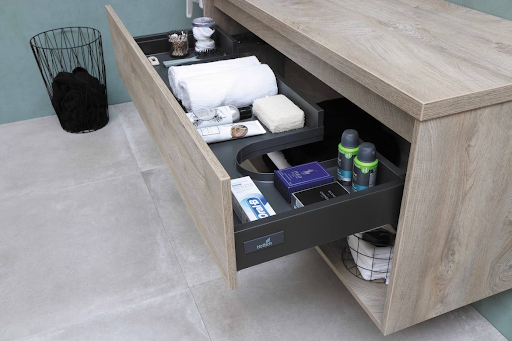
Multi-functional furniture is your friend when you’re short on space. Look for beds with drawers underneath, couches that double as beds or futons, or dining tables that can be pushed up against the wall when not in use. A bed frame with storage compartments underneath is a great option since it gives you extra room for blankets, clothing, and whatever else you need to keep out of sight but close at hand 

4. Store Items Underneath Furniture 

A lot of people forget about the space under their furniture. It can be a great place to store items you don’t use often, but still need to keep close by. Plastic bins with lids are ideal for keeping items like extra bedding or seasonal decorations out of sight. If you have an ottoman or coffee table with lid, it can be used as extra storage space in your living room for things like blankets and remote controls 

5. Use Wall Hooks and Over-the-Door Organizers 

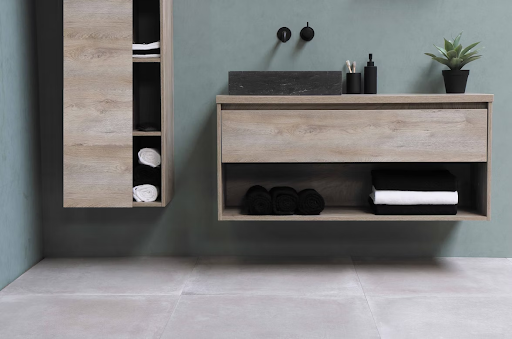
Wall hooks are a quick and easy way to create additional storage space. Install them on the wall next to your bathroom mirror or in the hallway near the entrance door so you always have somewhere safe to hang coats, scarves, and keys when you come home. Over-the-door organizers are great for the bedroom or bathroom to keep items like towels, hair accessories, and beauty products organized and easily accessible 

6. Utilize Underutilized Spaces 

Look around your home for areas you’re not taking full advantage of. The space above kitchen cabinets is a great spot for storing small appliances you don't use daily, while baskets on wall shelves can be used in the living room or hallway to store books, magazines, or other frequently used items. If you have high ceilings, consider installing hanging planters for some extra color and storage possibilities 

Living in a small space doesn’t have to limit your lifestyle. With some creative thinking and the right storage solutions, you can make the most of any space, no matter how small. By following these 6 tips, you’ll be able to create a comfortable living environment that works for you and helps you make the most of your limited square footage.

Construction Safety: A Practical Guide

RH Business Marketing Solutions

Construction safety is a topic that many people need to become more familiar with. Many construction workers are involved in heavy machinery, and some need help understanding how careful they must be to prevent injuries. A lot of accidents in construction are due to the lack of safety measures implemented by construction workers. Such accidents include slips and falls, hypothermia, and other occupational injuries. However, over the years, the construction industry has become very rigorous in addressing safety issues to alert workers of the dangers. These measures include ensuring workers are aware of basic safety rules, and this would consist of wearing a hard hat throughout construction activities such as pouring cement.

10 Safety Rules For Enhancing Construction Safety

1. Always wear a hard hat.

Construction workers must have protective headgear at all times when working. Most countries’ laws state that workers should have head protection, eye protection, and ear protection when working. Wearing this gear can prevent serious injuries, including concussions. It can also help prevent minor accidents from occurring, as well as serious accidents.

2. Wash hands frequently throughout the day.

It is essential to wash your hands very frequently throughout the day. If you do not pass your hands often, there is a greater chance that you could become ill and carry this illness onto your job site. You are more likely to spread infections if you touch surfaces people have felt in public restrooms or kitchens before returning to work. Construction sites have chemicals and dirt. If you are not careful, you might end up cutting yourself while on your job.

3. Implement policies to protect workers.

The construction industry has implemented a series of policies to ensure that workers are protected; this includes providing them with helmets, safety shoes, hard hats, and safety vests when they work in the field. There are also many industry-specific safety regulations set forth by government bodies. Another factor that can be protective of workers is calling in the nearest inspector and having them observe the work you are doing at all times.

4. Wear appropriate protective gear.

Many types of work equipment are used during construction, and all of them require some protective gear to wear. Some workers wear hard hats and safety glasses. However, most workers wear safety vests and safety shoes or boots. All these different types of equipment can make a big difference in the outcome of an injury or accident. You can Get your safety shoes in Saudia Arabia from Ejawda

5. Ensure there are always work permits.

Before starting their construction project, workers must ensure that the proper authorities issue a work permit. The work permit is necessary because they will use it to generate any claims that they can make against the company that hired you to do the job. If you do not have one of these permits, you could potentially lose your job or face other legal issues.

6. Ensure workers know the rules.

There are rules in construction that every worker must understand before they can operate on a job site with any machinery. It is essential to ensure workers only work in areas where they are prohibited. For example, you cannot use specific machines if you get too close to electrical wires. If you do not follow these safety rules, you could have an accident that can cause serious injuries or causes an employer to lose their job.

7. Install Warning signs.

It is always essential to ensure there are warning signs that warn people to maintain a safe distance from construction sites. There should also be certain areas where workers must wear hard hats or safety glasses to operate safely. Before starting a project, it is essential to ensure workers conduct a walk-through of the excavation area and follow all safety precautions before they start digging and removing materials from the site.

8. Ensure that workers are adequately trained.

Many times, individuals need to learn how to operate the machines they are being asked to use on a construction site. Therefore, it is essential to ensure workers are well-trained in managing them properly and advise them of the proper procedures and warning signs for the different types of machinery they will be using on the job. Additionally, it is also essential that employees are given refresher training when necessary.

9. Disaster/ Emergency plan.

Site workers should have an emergency plan which they can use in case of an accident or other sort of disaster on the site. It is usually located in a specific location and will contain various instructions to be followed if a disaster occurs. It is essential to ensure all workers are aware of these emergency plans. It can help prevent the workers from panicking during a crisis. It can also help prevent serious injuries or deaths from occurring.

10. Get a safety assessment.

Every construction site should have a safety assessment that experts have carried out to ensure workers are as safe as possible while operating around the area. Many different types of accidents can occur while working on a construction site, and it is essential to ensure workers know how to operate machinery safely and be aware of warning signs when they do so. Also, if workers are not well trained, this can make them more likely to have accidents.

By implementing the above safety measures and using safety equipment, construction workers can dramatically reduce their risk of accidents and injuries. Safety precautions, including wearing protective gear for the head and face, hands and feet, and overhead protection, can help prevent accidents. Additionally, it is essential to understand the safety precautions at a construction site before beginning any work with other people. 

To learn more construction site safety tips, check out this Construction Safety Campaign: shulman-hill.com/construction-site-safety/

Guest Contributor: Emily Jack

Always At Work? Here's How To Manage Everyday Chores While Being Busy

RH Business Marketing Solutions

Being busy is often associated with being productive, but it can also be very stressful and make it difficult to manage your everyday chores. However, with a little planning and some smart strategies, you can ensure that your daily chores are noticed while keeping up with your busy schedule. Here are a few tips to help you manage everyday chores while being busy.

1. Outsource Your Chores

Outsourcing your chores can be a great way to get them done without worrying about them. Several different services offer this type of service, and it can be a great way to clean your house without having to do the work yourself.

The first step to outsourcing your chores is finding a service that offers the types of tasks you need. The Los Angeles maid service and house cleaners can help you tackle your daily chores so that you can focus on the things that matter. You can typically find several different services that offer a wide range of cleaning tasks, so take some time to research your options and find the best fit for you.

2. Make a List of Chores and Prioritize Them

One of the best ways to manage your everyday chores while being busy is to list all the tasks that need to be done and then prioritize them. This will help you figure out which chores are most important and give you a better idea of how much time you'll need to spend on them.

Start by making a list of all the chores that need to be done daily or weekly. These include cleaning the house, doing laundry, cooking meals, shopping for groceries, or taking care of your pets. After your list, prioritize the chores from most important to least important. Then, set aside time each day or week to focus on completing them.

3. Create a Schedule and Stick To It

One of the best ways to manage your everyday chores while busy is to create a schedule that outlines precisely when you'll tackle each task. This will help you track what needs to be done and minimize the risk of letting things fall through the cracks.

One way to create a schedule that works for you is to start with your most important tasks and then work your way down. For example, if your top priority is ensuring that your house is always clean and tidy, then you should schedule time for cleaning each day. If your second priority is spending time with your family, then you should also schedule that.

4. Use Time-Saving Tools and Apps

Several different tools and apps can help you manage your everyday chores while busy. For example, there are scheduling and to-do list apps that allow you to easily create detailed schedules and grocery delivery services that take the hassle out of shopping for groceries or household essentials. If you're looking for tools and apps to help you manage your everyday chores, start by doing a little research online.

Overall, managing your everyday chores while being busy can be a challenging task. But with a little planning and the right tools and strategies, you can ensure that your chores never fall through the cracks. Whether you outsource your chores, make a list and prioritize your tasks, or use time-saving tools and apps, it is crucial to find what works for you and stick with it.

The Benefits Of A Good Shower Filter

RH Business Marketing Solutions

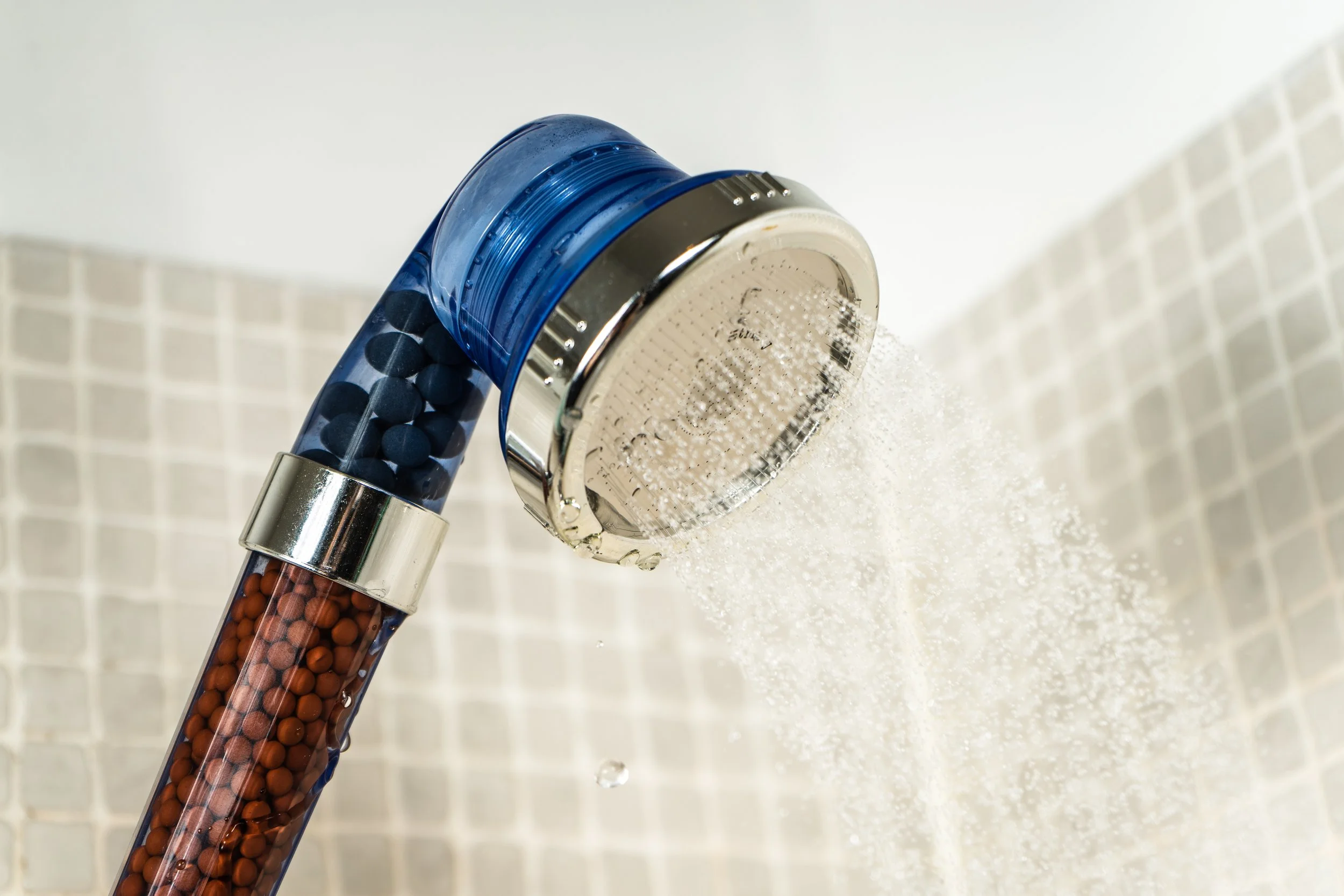
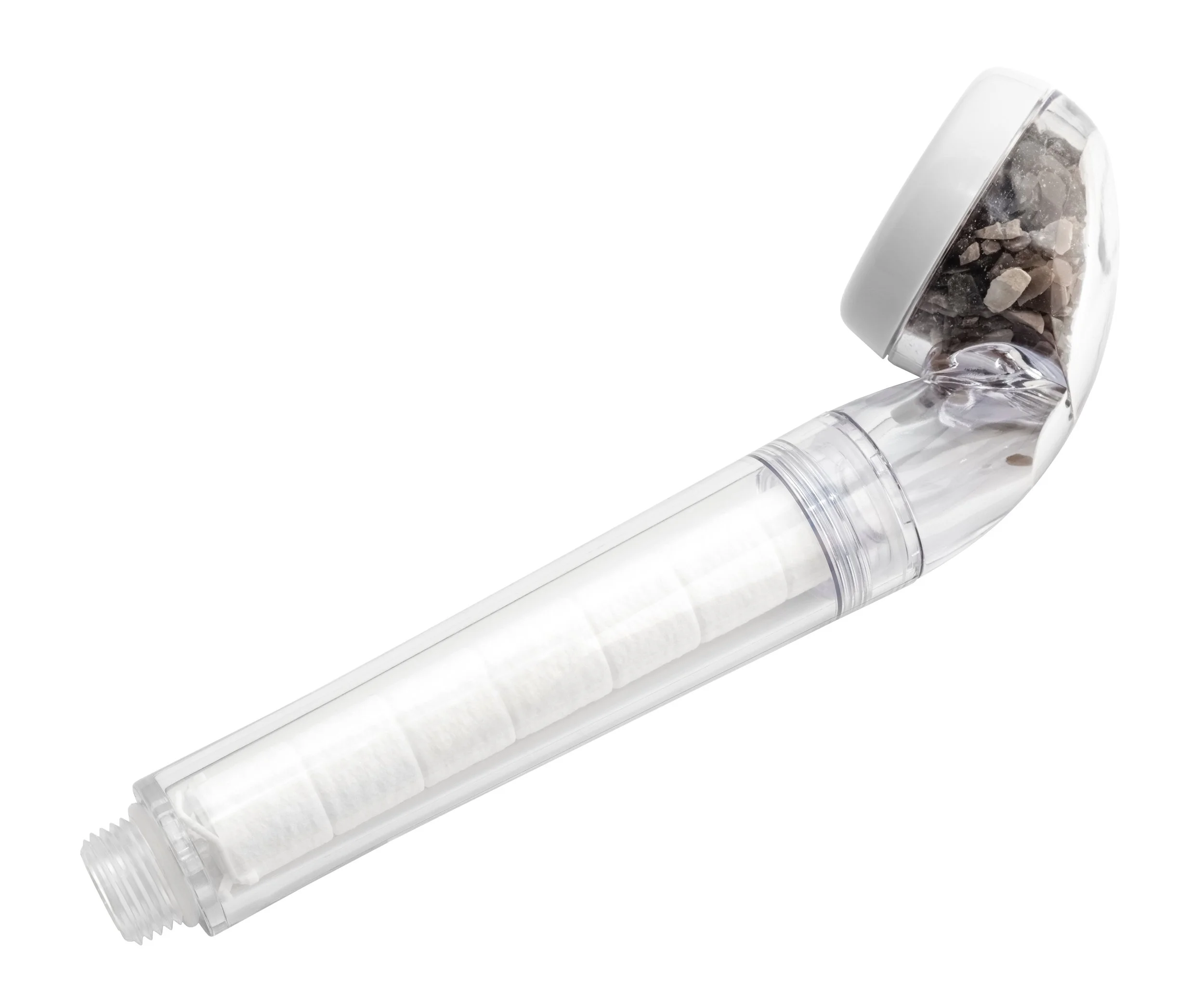
As you get out of your shower, does your hair feel lifeless? And your skin feels dry? If yes, the culprit might just be the water you’ve showered with. Knowing this, more than taking a shower is required, you'll also need to ensure your shower water is safe. The best way to go about doing this is to install a shower filter to ensure the water is safe. 

It's unfortunate how most people care about their drinking water's safety and don’t understand that unfiltered shower water could be equally or more dangerous. Fortunately, shower filters are affordable and easy to install. According to Filtap, having a good water filter system offers you clean and safe water where every drop is free of any harmful elements. 

Below are the benefits you’ll get from having a good shower filter.

1. Helps Remove Chemicals

Chloramine, chlorine, and other chemicals are often used to kill germs and bacteria in drinking and showering water. While the water company's intention isn’t to cause harm to users, using chlorine water is a great way of eradicating infectious organisms. However, these chemicals can cause serious problems when reacting to your skin. Fortunately, installing a shower filter can eliminate these impurities, ensuring your shower water is safe.

2. Improves Your Respiratory Health

Chlorine falls under halogens, and when inhaled, halogens can irritate your respiratory walls. Therefore, inhaling chlorine while showering can cause various respiratory illnesses that could be life-threatening. When you're exposed to chlorine fumes regularly from your shower water, it can cause bronchitis and asthma, among other respiratory illnesses. You can prevent this from happening by installing a good shower filter.

3. Helps In Lowering The Risk Of Cancer

When chlorine in water comes into contact with an organic matter, it forms THMs (Trihalomethanes) when combined with other compounds. This is often referred to as chlorination byproducts, and it's responsible for triggering free radicals production in the body. Free radicals are responsible for causing cell damage and are often considered carcinogens (cancer-causing organisms). Therefore, consider switching to a good shower filter to help save a life by removing chlorine in your shower water.

4. Makes Your Skin and Hair Healthier

As stated earlier, public water is treated with chlorine or chloramine before entering your home plumbing system. The primary reason for doing this is to kill toxic bacteria in the water. Unfortunately, not only does chlorine kill bad bacteria in the water, but also healthy bacteria.

Therefore, as you shower, chlorine water will destroy fatty acids on your skin along with Vitamin E. These compounds are responsible for keeping your skin soft and smooth. Without them, your skin will become dry, rashes, itchy, and even develop acne.

The same will happen to your hair. Chlorine water will leave your hair looking dry and frizzy. However, by installing a good shower filter, you'll easily overcome these problems with ease leaving your skin moisturized. 

5. Hydrates Your Body

For the skin to be healthy, it requires a sufficient amount of moisture, and some of the water needs to come from showering. As you shower with hot water, it opens your skin pores allowing it to absorb water. However, showering in chlorinated water will leave mineral deposits on the skin that tends to clog your skin hence drying it. 

Due to that, your skin will start feeling scaly or dry and looking less than it should be. With the right shower filter, you can remove chlorine along with these minerals hence hydrating your skin and leaving it feeling soft.

6. Makes You Look Younger

With a good shower filter, you'll be able to slow down the aging process. Usually, human skin tends to dry and become thinner as you get older. Although this is natural, most people would love to stay and look young. Showering in chlorinated water will dry your skin while increasing the chances of forming free radicals causing aging and damaging your skin. 

Shower filters, in contrast, don't have harmful contaminants or chemicals, making them ideal for showering. A good shower filter will help your skin remain protected against damage and healthy, allowing you to look fresh and young.

7. Offer A Reliable Water Pressure

Hard water often contains magnesium, chlorine, and calcium, to name a few. These minerals are responsible for forming a scale or chalky layer in your shower and the shower opening. At times, this scale can be visible on your shower arm. As this layer grows, it’ll result in inconsistent water flow, forcing you to spend more cash replacing or repairing your shower head. Fortunately, you can overcome this issue by installing a reliable shower filter.

Takeaway 

If you've wondered whether having a shower filter is vital, you now have the answer. Chloroform or chlorine is vital in treating water for household use; however, it can also be harmful. Such water can be used for other purposes apart from showering and drinking. Drinking or having this water absorbed into your skin can cause problems. 

Therefore, consider taking early action to remove these chemical impurities from the water by installing a good shower filter. And since they come in different performances, designs, and costs, you can always find one that best suits your needs.


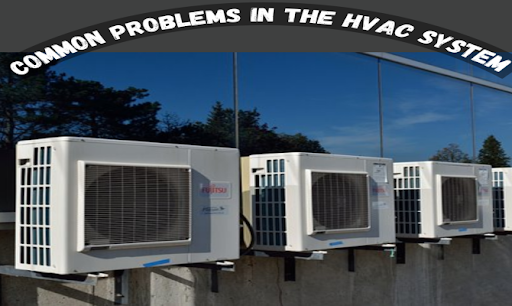
6 Most Common Problems in the HVAC System

RH Business Marketing Solutions

In any commercial structure or high-rise apartment building, HVAC systems use a large amount of power. HVAC systems, without a doubt, perform extremely important roles. The HVAC system consists of a number of hardworking appliances which require power to operate.

From the heater to the air conditioner, these machines frequently work extra throughout the cold winter and the intensity of summer. With the amount of effort that each system forces in, they are certain to be exposed to issues from period to period. And it's extremely difficult to predict which HVAC problems you'll face.

What Is HVAC?

HVAC stands for heating, ventilation, and air conditioning. Residential and commercial buildings can be heated and cooled with the help of this technology. It uses various systems for transferring air between indoor and outdoor environments. They are the systems responsible for keeping you warm in the winter and cool in the summer.

Additionally, these are responsible for maintaining comfortable humidity levels and providing clean air to make you healthier. Now HVAC installation service specialists may come to your home for a pre-installation assessment and assist you in selecting which system and options are ideal for you and your home. With a yearly HVAC inspection technician, you can avoid the majority of HVAC problems.

Most Common HVAC Problems

Some HVAC problems can be resolved by just cleaning the units and filters. If these issues aren't handled right away, many of the typical heating and cooling system faults will worsen and become far more serious issues. The majority of issues can be avoided by scheduling routine inspection and maintenance visits. It is a good idea to have your system tested once a year to avoid blackouts during poor weather.

Here are six of the most common HVAC problems you could experience if you don't have your annual checkup.

1. Inadequate Maintenance

Regular HVAC maintenance by a licensed service contractor is necessary to keep your system in good working condition. Most of the most basic furnace issues can be prevented with regular maintenance by a trained service technician. Your property heating system possibly costs you hundreds of dollars.

It’s better to protect that rather than invest in its repair. If you fail to do routine maintenance, you will most likely face unexpectedly expensive failures, high energy costs, poor performance, and annoyance.

2. Unclean Air Filters

Air filters that have yet to be replaced are by far one of the most prominent problems you'll encounter. You can fix this problem yourself. You need to replace your air filters at least every three months. If you have allergies, smoke inside, or even have pets, you should replace them every one or two months.

When air filters become blocked, the flow of air is reduced. Making it more difficult for the furnace and AC to continuously flow fresh air through the building. A clogged filter can also lead the furnace to overheat and close down. The blower will be put under a lot of pressure, which will shorten its lifespan severely. By changing the air filters, you may minimize energy usage and enhance the effectiveness of your HVAC system.

3. The AC Just Blows Warm Air

There are a few possible causes if you only feel hot air flowing out of the vent while the HVAC is on. There is a possibility that a refrigerant leak may occur. Another possibility is a problem with the compressor or the evaporator coil.

Whatever the reason, the proper amount of refrigerant is not cooling the air, and you are left with hot air streaming through the vents. You must hire an expert to inspect your system. If it isn't a blockage, it's likely that a component of the AC unit will need to be replaced.

4. Noises from The Furnace

Some furnace noises are normal, and some may be a signal or hint of a technical problem. A whining or grinding motor sound may indicate that the joints in an inducer motor or compressor motor are malfunctioning. This indicates that your HVAC parts and other system belts are beginning to wear out.

To prevent a furnace failure, the engine may need to be replaced. Otherwise, we can replace the furnace entirely. Other noises could be produced by insufficient airflow or unclean burners. In any case, it's recommended not to overlook these warning indications because they could indicate a harmful operating condition or lead to a furnace breakdown.

5. Tripped Blowers or Damaged Fuses

The most typical cause of a heater trip is an overworked blower. If something is restricting your system's ventilation, your blower will have to perform more to compensate. A clogged air filter is the most probable reason. Other factors that can cause the blower to have an excessive workload include duct leakage, clogged or blocked-off air registers, and filthy coils.

When the air filter is clogged, your fan needs to work harder to push air through it. This increases the usage of the compressor and may occasionally trip the circuit breaker. Clean your filters and consider replacing them with cleaned ones. If the trouble reappears, it is recommended to consult an expert who can safely evaluate if the problem is due to a furnace malfunction or a faulty circuit breaker.

6. The Blower Continues to Work

A furnace blower can continue running for several reasons. Inspect the thermostat's fan switch. When the thermostat is set to the fan on the setting, the motor will operate continually. It frequently occurs when the fan switch is mistakenly turned on. The blower would not turn off if the limit or safety was not changed.

In Closing

These are just six of the most typical HVAC system issues you may experience when you own an HVAC system. The HVAC system will ultimately age and wear down. Although there are numerous reasons for HVAC airflow difficulties, almost all of them may be avoided with routine HVAC repair maintenance. Have a reliable HVAC services provider come over every quarter to inspect the unit and clear out any dirt.


Guest Contributor: Daniel Martin

10 Tips to Choosing the Right Kitchen Flooring

RH Business Marketing Solutions

Choosing kitchen flooring can be a challenging task as you look for something that offers the best of functionality and style.

Whilst it is important to take into account the design and how your flooring will work with the rest of your kitchen space, you will also want something that is durable and long lasting in this high traffic area.

The good news is, we’ve got 10 top tips to choosing the right kitchen flooring that will ensure you don’t slip up at the final hurdle of your kitchen re-design.

Key summary

-        Consider material before style as you will want a durable flooring that can endure the high traffic of a kitchen.

-        Vinyl is the most hard-wearing style of kitchen floor and is stain resistant.

-        Don’t cut corners with cheaper finishing products as this can be more costly in the long run!

How do I choose a floor for my kitchen?

1.    Think practical

When it comes to choosing your kitchen flooring, you will firstly want to think about its usage. Kitchen flooring needs to be highly durable, as well as being able to withstand any spillages and regular traffic. If you want underfloor heating, you will need to be sure of its compatibility with your flooring and you will also want to check what maintenance will be required over time, as this can mean more time commitments and further money being spent.

2. Consider the type

There are several types of material you can consider for your kitchen floor that vary in cost and durability. The kind of floors that work best in a kitchen include:

-        Natural stone

-        Porcelain

-        Wood

-        Vinyl

-        Laminate

Some of these flooring types are more practical than others, and although some materials look visually pleasing, such as natural stone tiles, they can be more prone to staining which makes them a less appealing option.

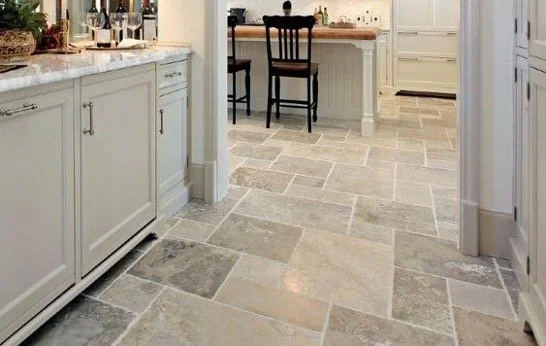
Slate and stone options are popular these days and opting for a dark slate is more practical as it won’t show up stains and dirt as easily. These styles can get cold in winter months so you may want to consider underfloor heating with them.

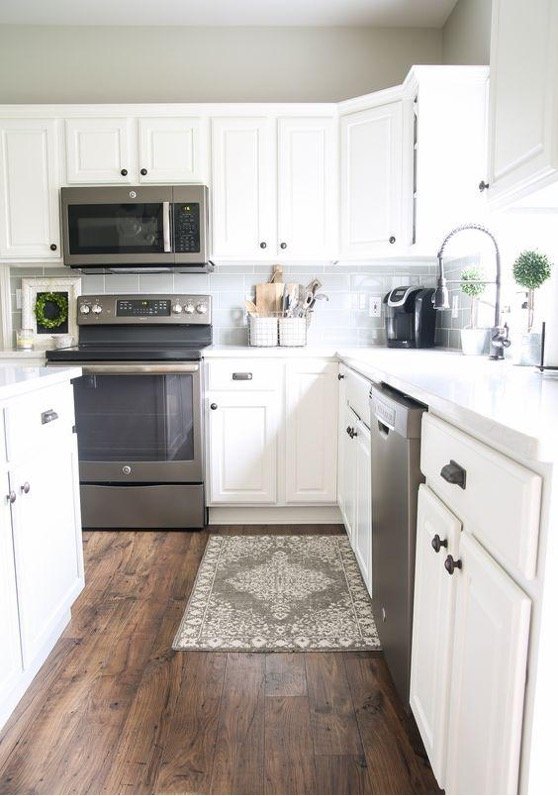
Wood flooring is a durable choice that offers timeless style. Natural wood shades are often the best colour for kitchen flooring as they offer a neutral base. Herringbone and chevron styles are a current trend for kitchen floors but also offer classic elegance that will stand the test of time. You must be quick on your toes in the event of a spillage with wooden flooring as prolonged contact with moisture can cause it to swell and lift. Stained woods are also more prone to wear and tear around areas such as the sink.

Vinyl is a popular type of kitchen flooring as it comes in a wide variety of styles but is also extremely hard-wearing. It is moisture-resistant and easy-to-clean, so kitchen spills are quick to mop up! Similarly, laminate is great for kitchen floors as it is durable, with stain and scratch resistant qualities.

3. Colours and style

Once you have selected a preference for flooring material, you will want to think about the style and colour.

As flooring is often neutral, it can work to enhance the colours of cabinets and hardware features. Navy kitchen cabinets often work well with natural wood tones or marble tiles, for example, as they help the kitchen units pop.

4. Match it up

Matching up interiors is a challenge as it can look too try-hard and sometimes can be difficult to pull off, but in the case of kitchen flooring, matching it to another design element in the kitchen can work well.

You could consider matching your flooring to your cabinet finish, for example, choose them both in a matte or gloss, or alternatively match the colours. You could also consider matching your flooring to your worktops, which works especially well with wood finishes.

5. Maintenance

Different flooring types will require varying degrees of maintenance over time. Wood flooring, for example, will need re-sealing regularly. If time is not on your side, then you may want to look for an easy to clean, “mop and go” option.

Vinyl is the best kitchen flooring material to look after, as it is quick and simple to maintain thanks to the scuff and stain resistant nature of it.

6. Size it up

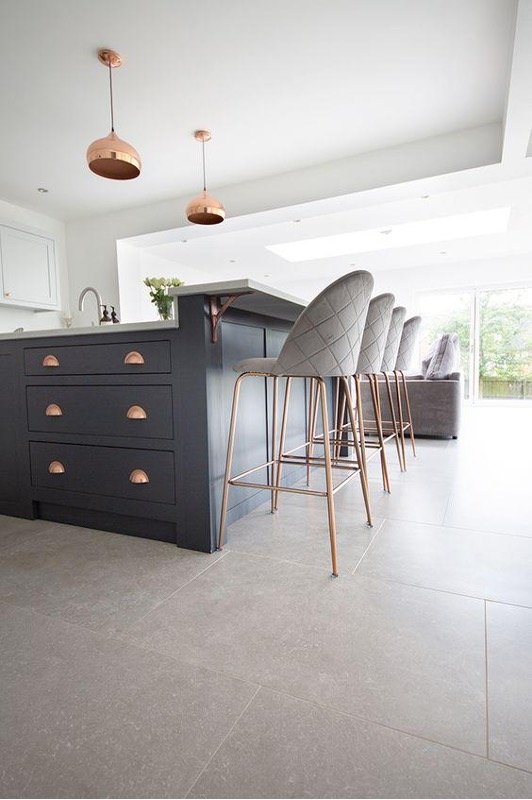
Size matters when it comes to kitchen flooring, especially if you have a smaller room, as you will want something that opens it up and creates the illusion of space. Larger floor tiles, in lighter shades, are the best type of kitchen flooring for small spaces. Consider tiles of around 900 x 600 mm as this is a versatile size that will adapt to smaller and larger areas in the kitchen.


7. Budget

Flooring can get expensive, especially if you have a large surface area. It isn’t just the flooring itself you will need to consider, but you will also need to factor in costs for underlay, grouts, and fixatives as well as labour.

Although it can be tempting to use budget alternatives, don’t ruin great flooring by cutting corners on these elements as it can cost you more in the long run, having to rectify them.


8. Take your time

Don’t rush into your flooring decision as this is something you will have to live with for a long time! Speak to your kitchen flooring installation team as they will be able to offer expert advice, as well as provide samples which can be useful to match up to your kitchen.

Place your samples in different parts of the kitchen to ensure it works well in all lighting and against all elements of the room.


9. Grouting

If you opt for floor tiles, you will need to think about grouting. Although it might be tempting to leave this to the floor installation team and be considered a minor detail, this finishing touch is important to the final result and shouldn’t be overlooked.

You’ll want to match the grout to the main or background colour of your tiles to ensure a cohesive style across the floor. The wrong-coloured grout can create an odd, disjointed feel that ruins the look.


10. Installation

Look into the installation methods for your chosen flooring as all types differ. Some flooring needs to acclimatise to the kitchen humidity, for example, and some will need to be installed prior to the kitchen fitting.

Your installation team or the manufacturer will be able to advise on this but be sure to research thoroughly to avoid any expensive mistakes!


Summary

The kitchen flooring option you choose forms an important part of your overall aesthetic, and as such you’ll want to ensure you get it right. Consider material, size, colour, maintenance, and budget within your final decision but be sure not to cut corners as the costs to rectify it might just floor you!

Top Eco-Friendly Ways to Keep Pests Out of Your Home

RH Business Marketing Solutions

Have you spotted pests in your home and you need a quick rescue? Did your friend ask for a handy eco-friendly solution to keeping pests at bay after an infestation? Keeping the home safe from chemicals, whilst ensuring the planet doesn't suffer as you keep the home pest-free is vital for everyone's well-being. That's why today we present a list of eco-friendly ways that will be your trusted partner in defending your home from pesky pests.

Use a vinegar spray

Vinegar isn't solely meant to make your salads yummier. Aside from being an excellent descaling solution for your kettle, vinegar can also be the best eco-friendly, cost-effective, pest-repellent. No insect loves vinegar, making it one of the best ways to keep pests away from your kitchen and the rest of the home. Mix ¼ cup white vinegar and 2 cups of water in a spraying bottle and spray the solution equally to all the problematic areas. Windows, doors, countertops, and other surfaces that attract insects will now be pest-resistant. Forget about ever dealing with cockroaches, spiders or ants again. For those who don’t like the smell of vinegar, a few drops of peppermint oil will mask the scent making it more bearable.

Seal the food well

Open cereal boxes, leftover snacks lying in an opened bag and food leftovers improperly stored will attract pests like cockroaches. To prevent bugs and rodents from smelling the food, keep all the bags tightly sealed so that the smell of food doesn't spread throughout the house. Keep the cupboards crumb-free and clean to make them an undesirable location for pests.

No entrance points, no pests

You cannot have pests in your home when they cannot enter the home. Use retractable window fly screens to seal up all the potential entry places for bugs and insects. Inspect your home, identify gaps and cracks and start making a plan. Piping, vents, door frames, and windows are the most common gaps through which insects find their way to your indoors. If you spot any cracks on your window or door frames, use caulk to fill them. Replace ripped window screens with new ones to block out pests and prevent rodents from entering your home.

Good hygiene is vital

Proper home hygiene is vital for a healthy lifestyle. If you spot cockroaches, it means you haven't done your fair share of keeping the house clean in a long while. The last thing you want is dirty, rotten food lying around, attracting a variety of pests. Rats, mice, and ants are other potential visitors aside from cockroaches, who love food leftovers in the cupboards. Dispose of all the rubbish properly, keeping the bin and bags tightly sealed. If you're not very good with pouring food and drinks, and spills occur regularly, make sure to always wipe your countertops after pouring to remove the sticky spills. Keep the garbage disposals clean, vacuum carpets, and sweep the floors regularly to keep the pests away in an eco-friendly manner.

Mix essential oils

Have you ever used essential oils to relax? Aside from aroma therapeutic properties, they also help fend off pests from your home. Mix them into a water-based solution to protect the home from bugs. Lavender oils, catnip, citronella, tea tree, eucalyptus and lemongrass are powerful bug-repellent scents. Whether you prefer to mix the scents or use them individually, the oils will prevent the bugs from infesting your home after you spray the solution on the critical spots. All it takes is 1 cup of water and 25-30 drops of oil(s). Fill a small spray bottle with the solution, shake and spray.

Bay leaf keeps pests at bay

Sometimes you won't even know if pests are hiding in your kitchen. Maybe you weren't home for a while or you just moved in and want to ensure the home is bug-free. With bay leaves, pests that might live in the pantry will quickly run away. The smell of bay leaf is particularly unpleasant for bugs. Whether you choose fresh or dried bay leaf, bugs will despise it either way. Top the food bags with a bay leaf to ensure pests will never be drawn to food remains.

Protecting your home from pests is vital. However, doing it in an eco-friendly way is even more important and beneficial for the environment. With previously listed tips, your home will be bug-free and keep the planet safe too.

Guest Contributor: Diana Smith

Tips & Tricks to Keeping Your Windows Clean for Longer

RH Business Marketing Solutions

Clean windows are essential for the overall aesthetic of your home and provide clear views of the outdoors. Unfortunately, keeping your windows sparkling clean all year round can be time-consuming. You must know various cleaning techniques to ensure that your windows remain clean for longer.

It might cost you some money, but investing in quality cleaning materials and supplies is crucial to make window cleaning easier. The following guide highlights some tips and tricks on how to keep your windows clean for longer:

1. The Importance of Clean Windows

Clean windows provide a beautiful view and give the impression that your home is well-maintained. Additionally, clean windows let in more natural light and reduce energy costs. Keeping your windows clean also helps to prevent the buildup of dirt, dust, and other debris that can damage the glass.

2. How to Clean Your Windows the Right Way

Cleaning your windows the right way is essential for maintaining a clean and clear view. Start by using a vacuum cleaner or feather duster to remove any dust or debris from the window frames and sills, then use a damp cloth to wipe down the glass. Use soapy water if necessary, but don’t leave any residue or streaks behind. Finally, dry your windows with a soft cloth to prevent watermarks.

3. Window Cleaning Hacks That Will Save You Time and Effort

Some cleaning hacks can help you save time and effort apart from the typical methods, including:


•           Using a squeegee on the glass to make cleaning faster and easier.

•           Making a cleaning solution from vinegar, rubbing alcohol, and dish soap for heavy dirty windows.

•           Use an old newspaper to Buff and polish the glass for a streak-free finish.

•           Using a hairdryer to dry your windows if rags are not available.

You should be careful with these methods because they can damage the glass if done incorrectly. Besides, always use a soft cloth to avoid scratching the glass.

4. The Best Window Cleaning Products on the Market

It pays to invest in quality window cleaning products for a quick and easy job. Look for cleaning agents specially designed for windows and are streak-free. Various window cleaning products are available on the market today, ranging from cleaning sprays and wipes to squeegees and mops that ensure your windows remain clean for a longer time. You can also use a glass water repellant coating cleans and seals the glass, keeping grime and hard water stains away for longer.

5. How to Remove Stubborn Stains from Your Windows

Over time, dirt and dust can accumulate on the outside of your windows and form stubborn stains. It’s important to clean these stains as soon as possible because they can be difficult to remove once they set in. Remove stubborn stains using vinegar and water solution.

Mix one part of white vinegar with four parts of warm water in a spray bottle and apply the solution to the stained areas. Allow it to sit for a few minutes, then scrub it with a clean cloth or sponge. Another option is to use a glass cleaner and some elbow grease available from various stores. These products are effective, but you should use them without exerting too much pressure on the glass.

Conclusion

Keeping your windows clean is essential for a pleasant view and maintaining their condition. You can do it with the proper techniques and equipment. A clean house with dirty windows will not look attractive, so keep an eye on and clean them regularly. The above tips will give you an idea of how to keep your windows clean for longer. If required, remember to invest in quality supplies and hire a professional window cleaner.

Guest Contributor: Regina Thomas